Fatigue that won’t lift. Brain fog that coffee can’t fix. Hair thinning, low mood, or hormone symptoms that standard bloodwork says are “normal.” For many patients in Orlando, the missing piece isn’t another prescription — it’s an undiagnosed nutrient deficiency.
Jeffrey Dach, MD is a Florida-licensed functional medicine physician who has spent decades investigating the connection between micronutrient status, thyroid function, and hormone health. Orlando-area patients work with Dr. Dach through telehealth consultations and in-person visits at his Davie, FL office

A standard CBC checks red and white blood cell counts — it does not measure vitamin, mineral, amino acid, or antioxidant levels. A nutrient specialist orders targeted panels that a routine physical usually skips.
A CBC and basic metabolic panel are useful screening tools, but they were never designed to detect nutrient depletion. A patient can have a completely “normal” CBC and still be significantly deficient in vitamin D, B12, magnesium, or iodine — nutrients that directly affect energy, thyroid output, and hormone metabolism.
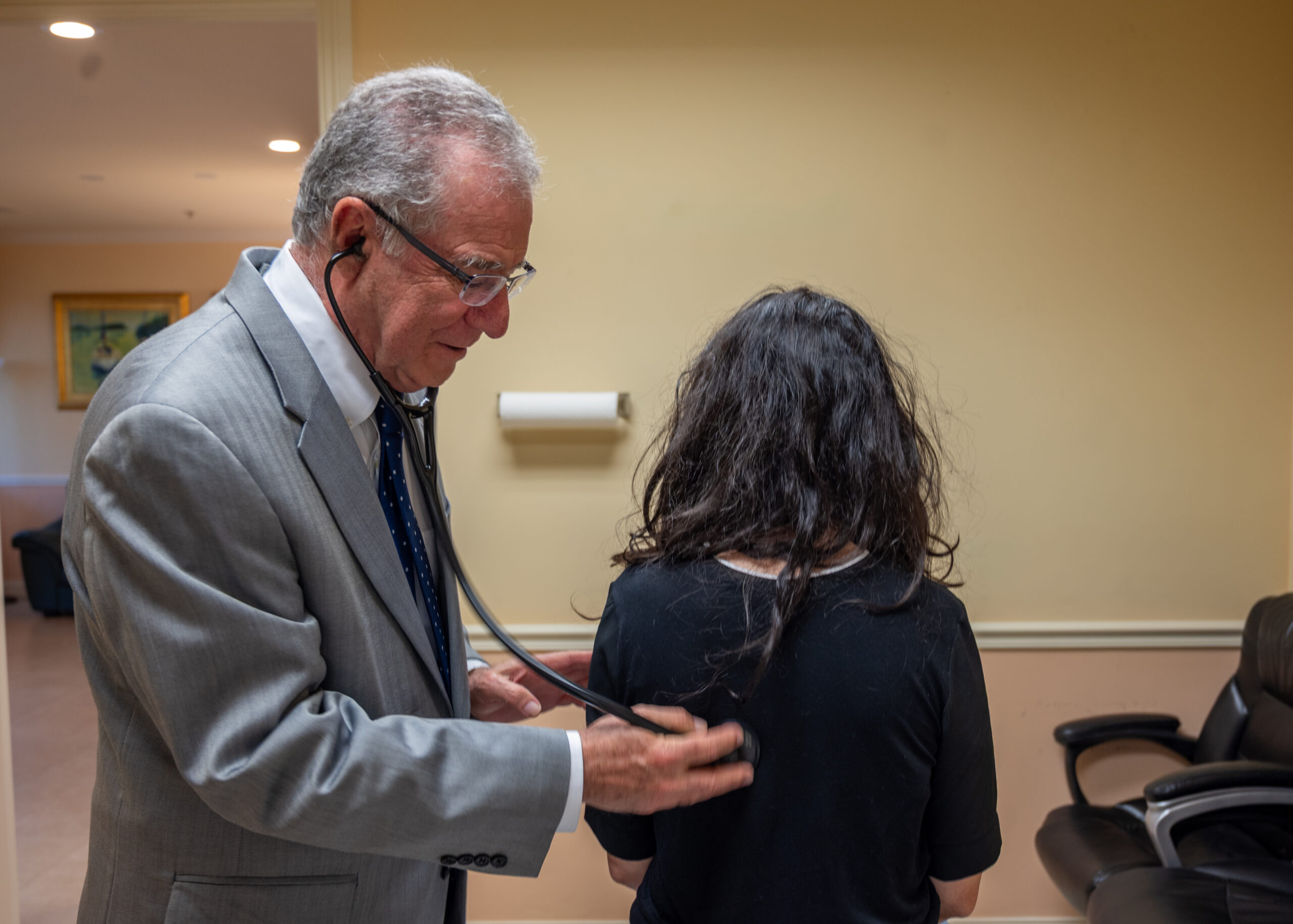
Dr. Dach’s nutritional evaluation for Orlando patients typically includes review of:
The goal isn’t to run every test on every patient — it’s to test what the patient’s symptoms and history actually point to, then correct it.
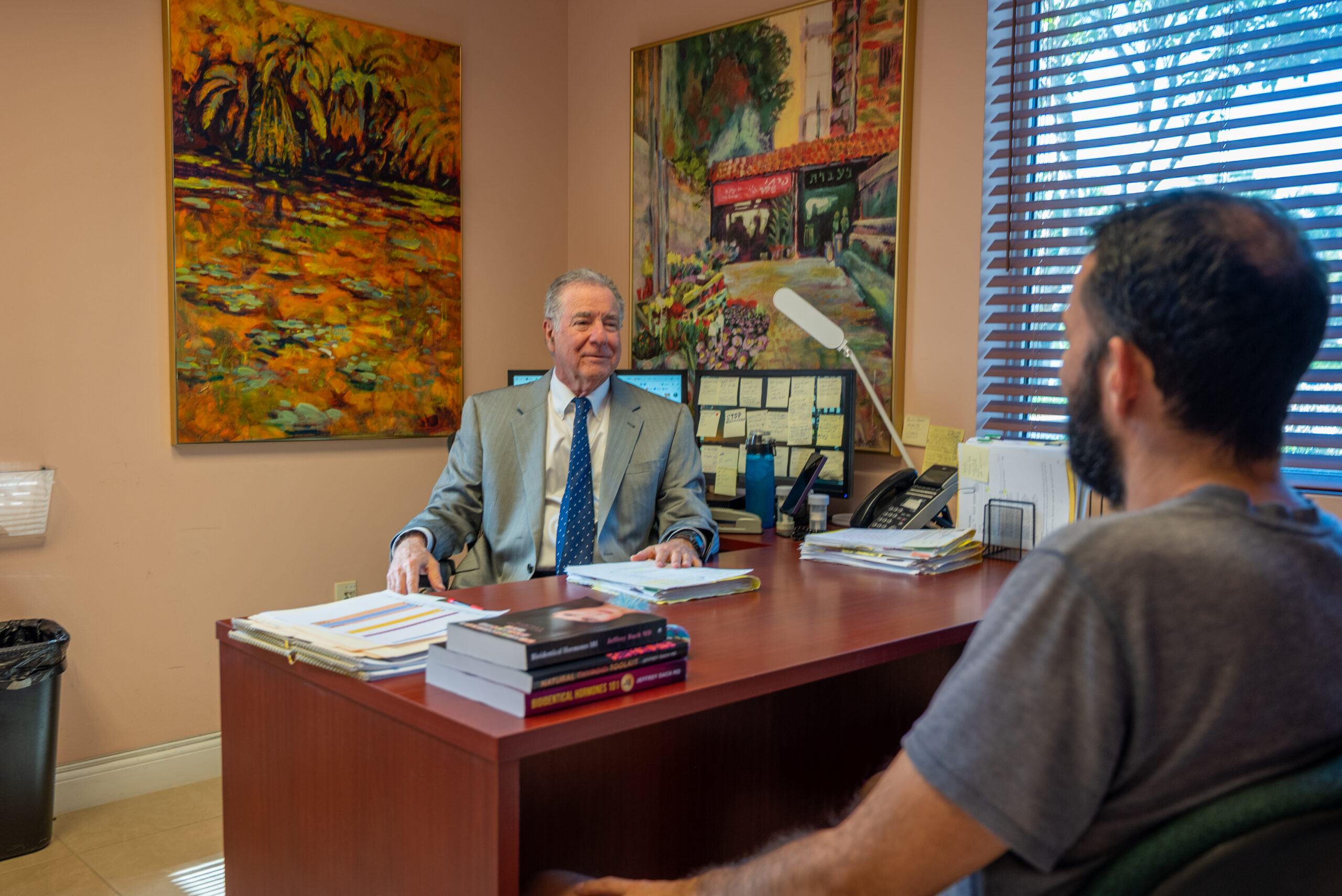

Micronutrient testing measures how the body’s cells are actually using vitamins, minerals, amino acids, and antioxidants over time — not just what’s circulating in the blood at one moment.
Micronutrients (vitamins and minerals) are needed in small amounts but are essential to virtually every metabolic process. Amino acids are the building blocks of proteins, enzymes, and neurotransmitters. Antioxidants help protect cells from oxidative stress, which is tied to aging and chronic disease risk.
Nutrition functions as an interconnected system — a deficiency in one nutrient can suppress the function of another (for example, low magnesium impairs vitamin D activation). That’s why Dr. Dach reviews nutrient status as a whole picture rather than one marker in isolation, and builds a correction plan around the patient’s full lab and symptom picture.

Iodine is a required building block of thyroid hormone. Without enough of it, the thyroid cannot produce adequate T4/T3, even if TSH looks acceptable on a standard panel.
The thyroid gland uses iodine to manufacture thyroid hormone, which regulates metabolism, energy, body temperature, and mood. Many Orlando patients who’ve been told their thyroid is “fine” based on TSH alone have never had iodine status evaluated.
Thyroid health is multifactorial — iodine is one input among selenium, tyrosine, stress physiology, and autoimmune status (e.g., Hashimoto’s) — but it’s one of the most commonly missed. For a deeper clinical discussion of how iodine intersects with hormone metabolism, see Dr. Dach’s article, Estrogen Metabolism, Iodine, and 2MEO Part Three.
Patients in Orlando dealing with unresolved fatigue, weight changes, or a thyroid diagnosis that doesn’t match how they feel should ask specifically about iodine and full nutrient status — not just TSH.
Nutrition and hormone health are closely connected. The body requires adequate nutrients to support many processes involved in hormone production, metabolism, and overall function.
For patients exploring bioidentical hormone replacement therapy (BHRT), maintaining good nutritional health may be an important part of supporting overall wellness. Nutritional factors may influence how the body functions and responds to different health strategies. Research also points to broader protective roles for hormone therapy, including estrogen’s role in preventing heart disease — a topic explored further in Part Two and in Preventing Coronary Artery Disease with Bioidentical Hormones. Estrogen has also been studied for osteoporosis prevention and treatment and for preventing osteoarthritis.
Patients often have questions about the safety of hormone therapy delivery methods. The Safety of Transdermal Estrogen and its companion piece, Transdermal vs. Oral Estrogen, Part Two, address these considerations in more detail. Concerns about estrogen safety have also evolved with new research; see FDA Removes Black Box Warning from Estrogen, Needless Fear of Estrogen Replacement Causes Suffering, and the two-part series Errors in Modern Medicine: The Fear of Estrogen and Part Two.
For further discussion on this topic, Dr. Dach has also been featured on podcasts, including Estrogen is Cancer Preventative with Corinne Furnari and Carol Petersen and Keeping Abreast with Jenn Simmons.
A functional nutrition doctor like Dr. Jeffrey Dach may consider the relationship between nutrients, hormones, and lifestyle factors when developing a personalized wellness approach.
A nutrient specialist focuses on how nutrients may influence overall health, wellness, and specific health concerns. A dietitian typically focuses on food choices, meal planning, and nutrition education based on individual dietary needs.
Symptoms that may be associated with nutrient concerns can include fatigue, brain fog, changes in energy levels, mood changes, and other wellness concerns. A healthcare provider can help determine whether nutritional factors may be involved.
Micronutrient testing evaluates specific nutrients such as vitamins and minerals. Coverage depends on the type of evaluation, insurance plan, and individual circumstances.
Iodine is an important nutrient involved in thyroid hormone production. Evaluating iodine status may be considered when exploring nutritional factors related to thyroid wellness.
The best approach depends on individual health needs, nutritional status, and professional guidance. Different methods may be appropriate depending on a person’s specific situation.
The timing of nutritional evaluations depends on individual goals, health concerns, and recommendations from a healthcare provider.
Every patient has different nutritional needs, which is why personalized care is important. A nutrient-focused approach begins by understanding the individual’s symptoms, health history, and wellness objectives.
Rather than recommending the same solution for everyone, nutritional therapies by Dr. Jeffrey Dach focus on creating recommendations based on each patient’s situation.
The goal is to support long-term wellness by identifying areas where nutrition may play a role in improving overall health.
Jeffrey Dach, MD provides personalized nutritional therapies for patients seeking a Nutrients Specialist Orlando who takes a comprehensive approach to understanding nutrition, wellness, and individual health needs.
Disclaimer: This information is for educational purposes only and is not a substitute for professional medical advice. Individualized nutrient plans are determined after consultation and evaluation.
EXCELLENT Based on 75 reviews
 Posted on Google
 Bob BaylinsonSusan and the staff are amazing. Very helpful and quick to respond. Dr Dach is great. I always feel confident with his recommendations and he’s always spot on.Posted on Google
 Laura GarconI have been a patient of Dr. Dach for years and am very satisfied with his thorough care and efficient service received from Dr. Dach and his staff: Stephanie, Office Manager, Susan-Holistic Nurse and Jennifer-Physician Associate. Thank you Dr. Dach and staff!Posted on Google
 Mary Jo GiudiceI am very thankful for Dr. Dach and his staff. I have watched my husband's health improve dramatically by implementing their nutritional council, the taking of recommended supplements and prescription thyroid . The staff is very knowledgeable and readily available to answer questions in this journey of his to better health.Posted on Google
 Tim LovejoyThis practice is wonderful to work with even for those who live out of state like me. The entire team from the receptionist/office manager Stephanie to Susan a nurse, Jennifer a physician assistant and Dr. Dach are friendly, caring and professional. I’ve been a patient for several years and so pleased with the manner in which they handle my care.Posted on Google
 Lynne BrennerI have trusted Susan, the holistic nurse, in Dr. Dach’s practice since 2009. She is unfailingly well-informed, honest, and professional. Her regular phone calls to just check on my progress and ask if I have any concerns are welcome and always a source of comfort. Anytime I have questions, she reviews all sorts of options with me. There is no other doctor or medical professional in my life that matches this level of faithful, regular, sincere care. I am thankful for Susan and give her my highest recommendation and all my appreciation.Posted on Google
 Brow QueenDr. Dach is amazing and Susan and Stephanie are amazing. I have been in their care for 7+++ years.Proffesional and great customer service and care!!!Posted on Google
 Janet ClippardA friend suggested that I pay Dr. Dach a visit because, like her, I spent years on thyroid medication that didn't work for me. Not only did he fix my thyroid problem, but he found the root cause of the whole mess of my problems. Now I am very healthy and some of my allergies even went away. Dr. Dach spent a lot of time with me, not only diagnosing, but mostly informing me why these problems exist and how to take care of them. He is always studying and writing articles and books and he is extremely knowledgable. Anytime I need anything, the staff, Stephanie, and nurse Susan are quick to respond. They are very nice and caring and give all the time and effort needed to make sure everything goes well for me. Several of my friends have now seen Dr. Dach and they are very happy about it. I continue to recommend him. I feel very fortunate to have found this practice.Posted on Google
 G LI’ve been working with Dr. Dach and his staff for 12 years now. Maybe a bit longer. We do bloodwork every six months, and tackle any issues that may arise as they patiently and thoroughly walk me through every analysis. My work takes me all over the world, but Dr. Dach and his staff, particularly Susan, his wonderfully responsive holistic nurse, are always able to get any meds needed to wherever I may find myself. I love the individual, customized attention, and have never felt so on top of my health as I have these last dozen years. I appreciate the alternatives to typical prescription meds they find, the quick response time, and the friendliness with which they conduct every correspondence. Cannot recommend the office highly enough. I know Dr. Dach and Susan the best, but they are all just the kindest people.Posted on Google
 Sachit SinghI’ve been a patient here for about a year now and the results have been phenomenal. Everyone at the office makes sure you’re properly cared for and in good hands. Stephanie, the office manager, Susan, the holistic nurse, and Jennifer, the doctor who treats me all do an excellent job and work with you on a personal level. They are always available for assistance via email or calls and also are very mindful about the patients personal situations. They truly want the best for you and your health. Give them your effort and commitment as a patient and it will pay off tremendously.Posted on Google
 William WhitehurstFor several years, I have received guidance from Susan Rothman (Holistic Nurse), Jennifer (Physician Associate), and Stephanie (Office Manager). I began taking natural supplements and a prescribed medication from Dr. Jeffrey Dach, which led to excellent results. I use the team’s medical and health counsel and experience in conjunction with my Primary Care Physician with great results in treating my Hypothyroidism and certain mood challenges. I exercise daily and under Susan’s guidance my healthy diet has put me in very good health. I get thorough blood tests twice a year as prescribed by. Dr. Dach and Dr. Jennifer, that in concert with my Primary Care Physician, monitor my health and proactively keeps me in good health. Over the past several years, I have benefited from the dedicated guidance of Susan Rothman, and Stephanie. Their collective expertise has significantly contributed to my well-being. Under their advisement, I began incorporating natural supplements and a prescribed medication from Dr. Jeffrey Dach into my regimen. This comprehensive approach produced excellent results. I consistently utilize the medical and health counsel provided by this team, alongside the ongoing support of my Primary Care Physician. This collaborative approach has been highly effective in managing my Hypothyroidism as well as addressing certain mood challenges. Guided by Susan, I maintain a healthy diet and commit to daily exercise. At 76 years old, these lifestyle choices placed me in very good health and enhanced my overall quality of life. Twice each year, I undergo comprehensive blood lab tests as prescribed by Dr. Dach and Dr. Jennifer. In collaboration with my Primary Care Physician, these evaluations allow for close monitoring of my health and proactive measures to maintain my well-being. Susan and her team have always promptly responded to all my concerns and questions with professionalism, and I highly recommend joining their organization. It will make a huge difference in improving your quality of life. Bill WhitehurstVerified by TrustindexTrustindex verified badge is the Universal Symbol of Trust. Only the greatest companies can get the verified badge who has a review score above 4.5, based on customer reviews over the past 12 months. Read more