
For breast cancer survivors in Orlando living with hot flashes, brain fog, and sleep that never comes easily, hormone therapy after breast cancer is rarely a simple yes-or-no decision. Dr. Jeffrey Dach, MD, works with survivors across Florida, reviewing tumor type, treatment history, and lab data before any hormone conversation begins.
Understand how BHRT is evaluated for breast cancer survivors, what the research shows, and how Orlando-area patients move through the process safely, with their oncology team involved in every step. If menopausal symptoms after cancer treatment are wearing you down, this is a good place to start. For a broader look at this topic, see our full library of Breast Cancer Survivor Articles by Jeffrey Dach MD.
The term “bioidentical” refers to hormones that are chemically identical to the hormones naturally produced by the human body. These may include bioidentical estrogen, progesterone, and other hormones that are customized based on a patient’s specific needs.
For breast cancer survivors, understanding the difference between bioidentical hormones and synthetic hormone alternatives is especially important. Different hormone formulations can have different effects in the body, which is why treatment decisions should never be based on symptoms alone. Dr. Dach discusses this distinction in detail in his Bioidentical Hormones for Breast Cancer Survivors video presentation.
At Jeffrey Dach, MD, we take time to evaluate your complete medical history before discussing whether bioidentical hormone therapy may be appropriate. Factors such as previous cancer treatments, hormone receptor status, current medications, and overall health are reviewed to create a more informed approach.
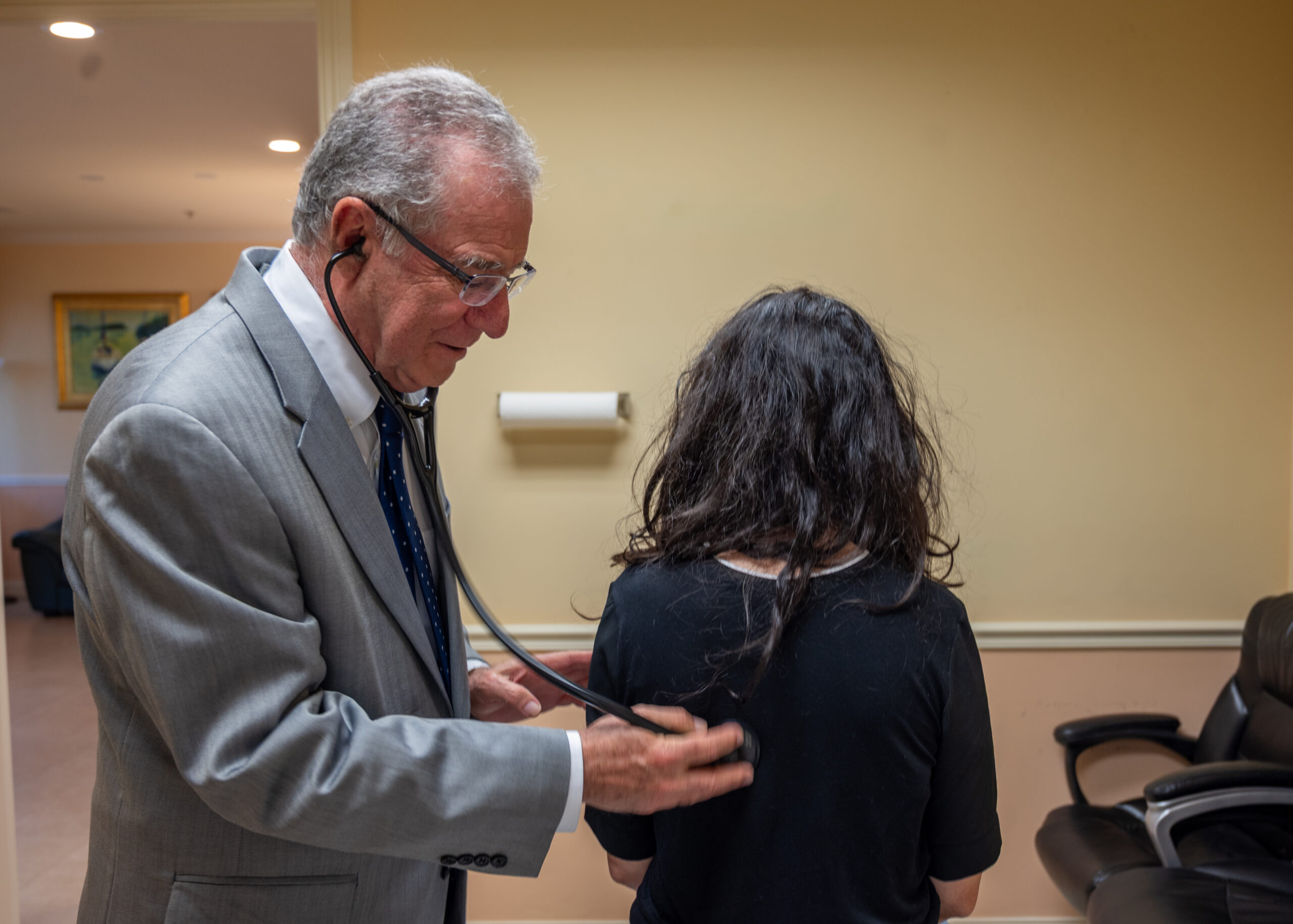

The safety of oncologist-approved hormone therapy after breast cancer depends on several important factors, including cancer subtype, estrogen receptor status, treatment history, and the specific hormones being considered.
Breast cancer survivors often receive conflicting information about hormone therapy because research findings vary depending on the type of therapy studied. Some studies have examined conventional synthetic hormone combinations, while others have explored different hormone formulations and delivery methods. This subject is covered in depth in Bioidentical Hormones for Breast Cancer Survivors, Part One (Morning Rounds with Dr. Economou).
For this reason, hormone replacement decisions should be personalized rather than based on a general recommendation. Patients with estrogen receptor-positive breast cancer require particularly careful consideration because these cancers may respond to estrogen signals.
Dr. Jeffrey Dach reviews current evidence, your personal risk factors, and your oncology history before discussing potential treatment options. For many patients, the goal is to find a balanced approach that addresses quality-of-life concerns while maintaining appropriate medical oversight.

Bi-Est combines estriol, a weaker estrogen, with estradiol, the stronger form, usually weighted toward estriol. Estradiol-only formulations skip estriol entirely. The Bi-Est estriol-estradiol ratio matters for survivors because estriol binds breast tissue receptors more weakly than estradiol does.
Delivery method matters too, since transdermal creams and patches move through the bloodstream differently than oral pills. We review oral versus transdermal estrogen with every patient before choosing a formulation.

Progesterone and synthetic progestins are often discussed together, but they are not the same. Bioidentical progesterone has a structure identical to naturally occurring progesterone, while synthetic progestins are laboratory-created compounds designed to mimic some progesterone effects.
Understanding this difference is important when evaluating bioidentical progesterone breast cancer risk concerns. Research has examined how different hormone combinations may influence breast tissue, making formulation choice an important part of any hormone therapy discussion. This topic is explored further in Bioidentical Hormones Replacement for Breast Cancer Survivors, Part Two.
For breast cancer survivors, progesterone decisions must be approached carefully. Dr. Jeffrey Dach considers your cancer history, hormone receptor status, symptoms, and available medical information before determining whether progesterone should be included in a treatment plan.
Not every breast cancer survivor is a candidate for bioidentical hormone therapy. Several factors influence whether hormone therapy may be considered, including:
Estrogen Receptor Status: Patients with estrogen receptor-positive (ER+) breast cancer require additional caution because their cancer cells may respond to estrogen. The risks and benefits of estrogen receptor-positive hormone replacement must be carefully reviewed.
Cancer Treatment History: Previous chemotherapy, radiation, surgery, and other treatments can affect hormone levels and menopausal symptoms after cancer treatment.
BRCA Gene Status: Patients with BRCA1 or BRCA2 mutations may require additional considerations when discussing BRCA gene hormone replacement options.
Current Symptoms and Quality of Life: Severe menopausal symptoms may impact daily activities, sleep, emotional health, and overall wellness. These concerns are considered when evaluating potential treatment options.
For patients who are not appropriate candidates for BHRT, Dr. Jeffrey Dach can discuss other approaches, including non-hormonal menopause relief for cancer survivor symptoms. These may include lifestyle strategies, nutritional support, and other medical options that can help improve quality of life.
We do not prescribe from a symptom checklist. Every survivor starts with lab work through Quest or Labcorp, both with draw sites throughout Orlando, so testing rarely requires a trip to our Davie office.
Baseline testing typically includes a full hormone panel, thyroid function, and the 2/16 estrogen metabolite ratio, which shows how your body processes estrogen. A ratio skewed toward 16-hydroxyestrone has been linked to higher risk, while a favorable 2-hydroxyestrone ratio is considered more protective. We recheck labs and adjust your plan as results change.
A successful approach to hormone therapy after breast cancer involves communication and collaboration. At Jeffrey Dach, MD, we believe decisions about BHRT should involve your complete healthcare picture, including your oncology history and treatment team.
The process typically begins with:
Reviewing your Medical History: We evaluate your breast cancer diagnosis, treatment details, medications, symptoms, and overall health background.
Assessing your Hormone Status: Laboratory testing helps identify hormone levels and potential imbalances that may contribute to your symptoms.
Discussing Options: When appropriate, coordination with your oncologist helps ensure everyone understands your treatment goals and considerations.
Creating a Personalized Plan: If BHRT is considered suitable, your treatment approach is customized based on your individual needs and monitored over time.
This collaborative approach helps patients make informed decisions about their health while considering both symptom relief and long-term wellness.
It depends on tumor type, receptor status, and time since treatment, determined through a full history review and lab work, not a blanket rule.
Synthetic progestins have been linked to higher breast cancer risk with estrogen. Bioidentical progesterone has not shown that pattern in several large studies.
This calls for the most caution. ER-positive status carries a different risk profile than ER-negative, requiring close oncologist coordination and conservative monitoring.
There is no fixed timeline. We weigh cancer stage, treatment type, surveillance results, and symptom severity together, not months alone.
We request records and, with your consent, communicate directly with your oncology team before recommending anything, as part of standard care.
Baseline testing usually includes a full hormone panel, thyroid labs, and the 2/16 estrogen metabolite ratio, plus a review of prior oncology labs where available.
Managing hormonal health after breast cancer takes more than a standard prescription. It takes a physician who listens, who follows the research, and who treats your survivorship with the clinical depth it deserves. At Jeffrey Dach, MD, we are committed to that standard every single day. If you are ready to explore your options with a physician who understands both the science and the sensitivity involved, contact our Florida practice today, and start a real conversation about Bioidentical Hormone Replacement for Breast Cancer Survivors in Florida.
Note: This information is for educational purposes only and is not a substitute for professional medical advice. Individual treatment plans are determined after consultation and laboratory evaluation.
EXCELLENT Based on 75 reviews
 Posted on Google
 Bob BaylinsonSusan and the staff are amazing. Very helpful and quick to respond. Dr Dach is great. I always feel confident with his recommendations and he’s always spot on.Posted on Google
 Laura GarconI have been a patient of Dr. Dach for years and am very satisfied with his thorough care and efficient service received from Dr. Dach and his staff: Stephanie, Office Manager, Susan-Holistic Nurse and Jennifer-Physician Associate. Thank you Dr. Dach and staff!Posted on Google
 Mary Jo GiudiceI am very thankful for Dr. Dach and his staff. I have watched my husband's health improve dramatically by implementing their nutritional council, the taking of recommended supplements and prescription thyroid . The staff is very knowledgeable and readily available to answer questions in this journey of his to better health.Posted on Google
 Tim LovejoyThis practice is wonderful to work with even for those who live out of state like me. The entire team from the receptionist/office manager Stephanie to Susan a nurse, Jennifer a physician assistant and Dr. Dach are friendly, caring and professional. I’ve been a patient for several years and so pleased with the manner in which they handle my care.Posted on Google
 Lynne BrennerI have trusted Susan, the holistic nurse, in Dr. Dach’s practice since 2009. She is unfailingly well-informed, honest, and professional. Her regular phone calls to just check on my progress and ask if I have any concerns are welcome and always a source of comfort. Anytime I have questions, she reviews all sorts of options with me. There is no other doctor or medical professional in my life that matches this level of faithful, regular, sincere care. I am thankful for Susan and give her my highest recommendation and all my appreciation.Posted on Google
 Brow QueenDr. Dach is amazing and Susan and Stephanie are amazing. I have been in their care for 7+++ years.Proffesional and great customer service and care!!!Posted on Google
 Janet ClippardA friend suggested that I pay Dr. Dach a visit because, like her, I spent years on thyroid medication that didn't work for me. Not only did he fix my thyroid problem, but he found the root cause of the whole mess of my problems. Now I am very healthy and some of my allergies even went away. Dr. Dach spent a lot of time with me, not only diagnosing, but mostly informing me why these problems exist and how to take care of them. He is always studying and writing articles and books and he is extremely knowledgable. Anytime I need anything, the staff, Stephanie, and nurse Susan are quick to respond. They are very nice and caring and give all the time and effort needed to make sure everything goes well for me. Several of my friends have now seen Dr. Dach and they are very happy about it. I continue to recommend him. I feel very fortunate to have found this practice.Posted on Google
 G LI’ve been working with Dr. Dach and his staff for 12 years now. Maybe a bit longer. We do bloodwork every six months, and tackle any issues that may arise as they patiently and thoroughly walk me through every analysis. My work takes me all over the world, but Dr. Dach and his staff, particularly Susan, his wonderfully responsive holistic nurse, are always able to get any meds needed to wherever I may find myself. I love the individual, customized attention, and have never felt so on top of my health as I have these last dozen years. I appreciate the alternatives to typical prescription meds they find, the quick response time, and the friendliness with which they conduct every correspondence. Cannot recommend the office highly enough. I know Dr. Dach and Susan the best, but they are all just the kindest people.Posted on Google
 Sachit SinghI’ve been a patient here for about a year now and the results have been phenomenal. Everyone at the office makes sure you’re properly cared for and in good hands. Stephanie, the office manager, Susan, the holistic nurse, and Jennifer, the doctor who treats me all do an excellent job and work with you on a personal level. They are always available for assistance via email or calls and also are very mindful about the patients personal situations. They truly want the best for you and your health. Give them your effort and commitment as a patient and it will pay off tremendously.Posted on Google
 William WhitehurstFor several years, I have received guidance from Susan Rothman (Holistic Nurse), Jennifer (Physician Associate), and Stephanie (Office Manager). I began taking natural supplements and a prescribed medication from Dr. Jeffrey Dach, which led to excellent results. I use the team’s medical and health counsel and experience in conjunction with my Primary Care Physician with great results in treating my Hypothyroidism and certain mood challenges. I exercise daily and under Susan’s guidance my healthy diet has put me in very good health. I get thorough blood tests twice a year as prescribed by. Dr. Dach and Dr. Jennifer, that in concert with my Primary Care Physician, monitor my health and proactively keeps me in good health. Over the past several years, I have benefited from the dedicated guidance of Susan Rothman, and Stephanie. Their collective expertise has significantly contributed to my well-being. Under their advisement, I began incorporating natural supplements and a prescribed medication from Dr. Jeffrey Dach into my regimen. This comprehensive approach produced excellent results. I consistently utilize the medical and health counsel provided by this team, alongside the ongoing support of my Primary Care Physician. This collaborative approach has been highly effective in managing my Hypothyroidism as well as addressing certain mood challenges. Guided by Susan, I maintain a healthy diet and commit to daily exercise. At 76 years old, these lifestyle choices placed me in very good health and enhanced my overall quality of life. Twice each year, I undergo comprehensive blood lab tests as prescribed by Dr. Dach and Dr. Jennifer. In collaboration with my Primary Care Physician, these evaluations allow for close monitoring of my health and proactive measures to maintain my well-being. Susan and her team have always promptly responded to all my concerns and questions with professionalism, and I highly recommend joining their organization. It will make a huge difference in improving your quality of life. Bill WhitehurstVerified by TrustindexTrustindex verified badge is the Universal Symbol of Trust. Only the greatest companies can get the verified badge who has a review score above 4.5, based on customer reviews over the past 12 months. Read more