
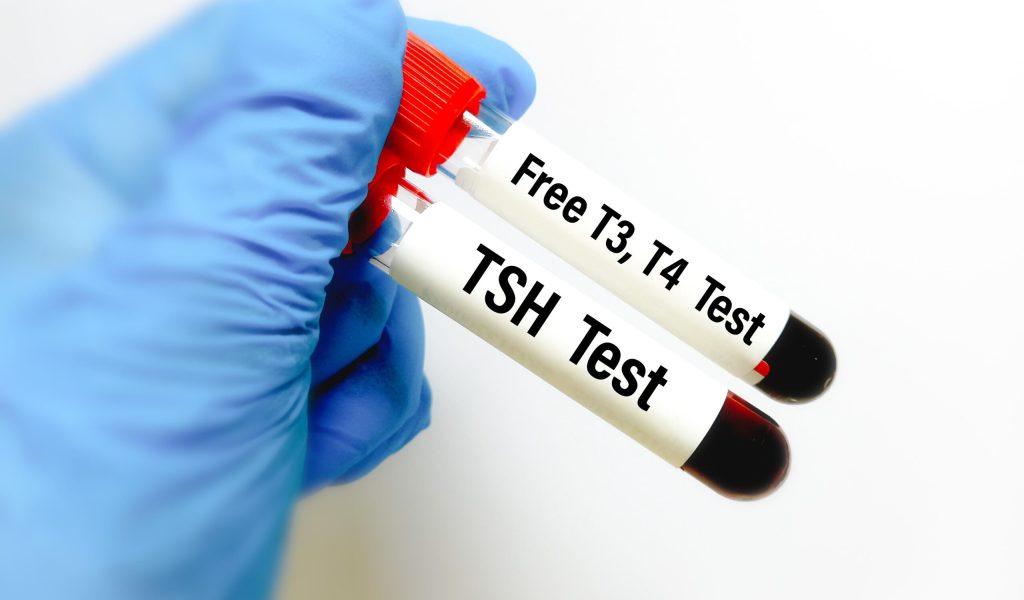
The thyroid gland plays a crucial role in regulating metabolism, energy production, and overall hormonal balance. Located in the neck, this small butterfly-shaped gland produces hormones that influence nearly every organ system in the body. When thyroid function becomes impaired, a wide range of symptoms may develop that can significantly impact daily life.
Thyroid disorders are among the most common endocrine conditions worldwide. Millions of people experience symptoms related to either underactive thyroid (hypothyroidism) or overactive thyroid (hyperthyroidism). Unfortunately, thyroid conditions are sometimes overlooked because many symptoms can mimic other health issues.
Common symptoms of thyroid dysfunction include:
- Persistent fatigue or low energy
- Unexplained weight gain or weight loss
- Sensitivity to cold or heat
- Brain fog or difficulty concentrating
- Dry skin or hair loss
- Mood changes such as anxiety or depression
One of the challenges with thyroid disorders is that standard laboratory testing may not always capture the full picture. In some cases, patients may have normal lab values but still experience symptoms related to thyroid imbalance. For this reason, many physicians take a comprehensive approach that evaluates both laboratory markers and clinical symptoms.
Autoimmune thyroid disease, such as Hashimoto’s thyroiditis, is one of the most common causes of hypothyroidism. In this condition, the immune system mistakenly attacks the thyroid gland, leading to reduced hormone production over time. Early identification of autoimmune thyroid disease is essential for preventing long-term complications.
Treatment options for thyroid disorders depend on the underlying cause. Conventional treatment often includes thyroid hormone replacement therapy to restore normal hormone levels. Some physicians may also incorporate nutritional support, lifestyle adjustments, and additional testing to address underlying factors that contribute to thyroid dysfunction.
Maintaining thyroid health involves more than simply taking medication. Nutrition, stress management, and proper monitoring of hormone levels all play important roles in achieving optimal thyroid function. Patients with thyroid conditions should work closely with a healthcare provider who understands the complexity of endocrine health.
With accurate diagnosis and personalized treatment, many individuals with thyroid disorders can regain energy, improve metabolic function, and restore a better quality of life.