
Getting a thyroid cancer diagnosis is jarring. Your mind starts racing through questions you are not sure how to even begin asking. What does treatment actually look like? How serious is this? Do I need surgery right away? Will I feel like myself again?
The good news is that thyroid cancer is one of the most treatable cancers when caught and managed properly. Most people with thyroid cancer go on to live full, healthy lives. But understanding your options, asking the right questions, and recognizing the early signs you need thyroid care can make all the difference in how your journey unfolds with a physician who sees you as a whole person, not just a diagnosis.
This guide walks you through the current, evidence-based thyroid cancer treatment options, what integrative support looks like alongside conventional care, and how you can take a more active role in your own recovery.
Understanding Thyroid Cancer: A Quick Overview
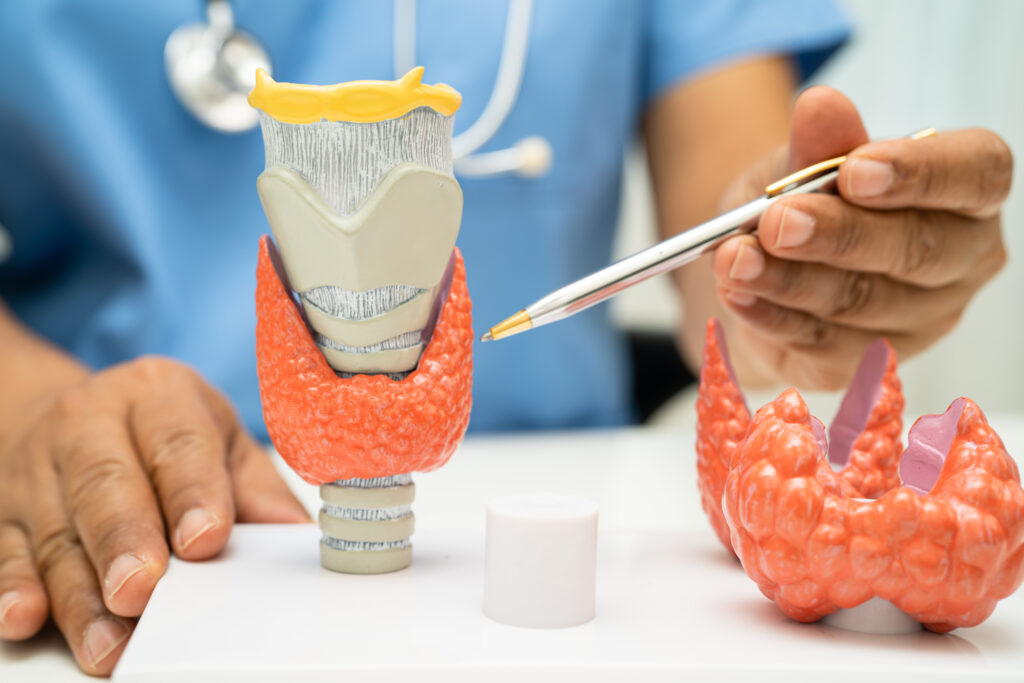
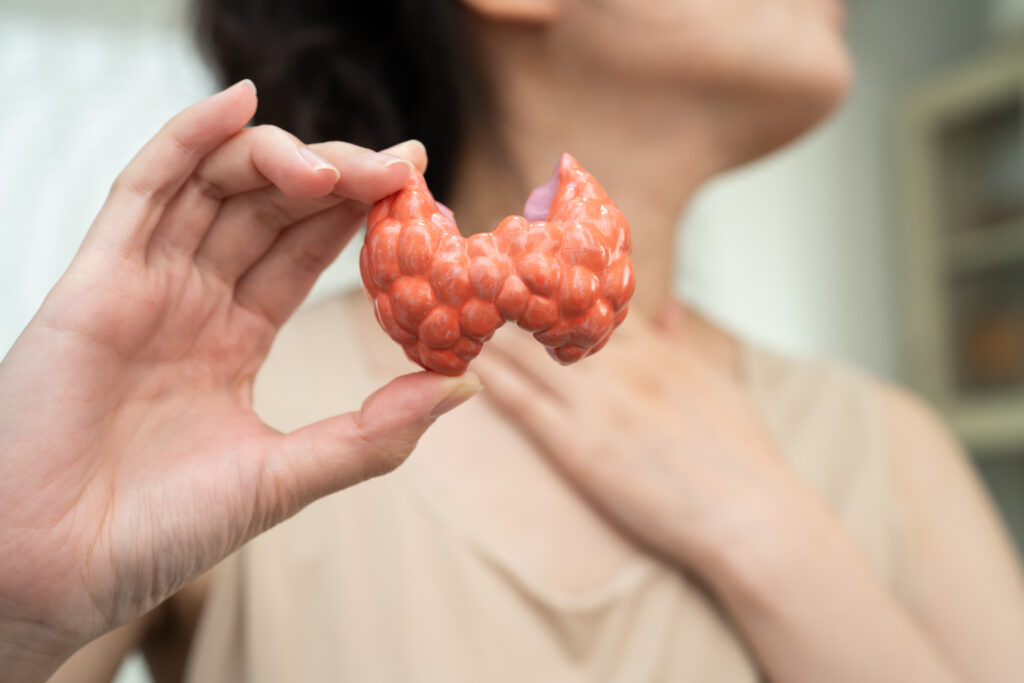
The thyroid is a small, butterfly-shaped gland in your neck that controls metabolism, energy, temperature regulation, and heart rate. When cells in this gland grow abnormally, thyroid cancer develops.
The most common types are papillary thyroid cancer and follicular thyroid cancer, which together account for the vast majority of cases and carry excellent survival rates. An experienced autoimmune thyroid doctor can also help patients understand related thyroid conditions and long-term thyroid health management. Less common forms include medullary thyroid cancer and the rare but more aggressive anaplastic thyroid cancer.
Knowing your type and stage matters a great deal because it shapes every treatment decision that follows.
The Main Treatment Options for Thyroid Cancer
1. Surgery: The Primary Step for Most Patients
For most people diagnosed with thyroid cancer, surgery is the first line of treatment. The two main surgical approaches are a lobectomy, which removes only one lobe of the thyroid, and a total thyroidectomy, which removes the entire gland. For smaller, low-risk cancers, some patients may qualify for an active surveillance approach where surgery is deferred in favor of careful monitoring with ultrasound.
If cancer has spread to nearby lymph nodes, a neck dissection may be performed at the same time as thyroid surgery as part of comprehensive thyroid treatment florida options. This can involve removing lymph nodes next to the thyroid gland through a central neck dissection or nodes along the jugular vein through a lateral neck dissection.
Clinical Note
Not all thyroid cancers require the same surgical extent. An experienced thyroid surgeon and a second opinion when needed can help you feel confident in the approach chosen for your specific case.
2. Radioactive Iodine Therapy: A Targeted Follow-Up
One of the most fascinating things about the thyroid is that it is the only organ in the body that naturally absorbs iodine. This biology becomes a powerful tool in treatment. Radioactive iodine therapy, known as RAI or I-131, takes advantage of this unique feature to deliver radiation directly to thyroid cells and any remaining cancerous tissue after surgery. At the same time, many patients also explore natural thyroid hormone alternatives as part of their long-term wellness and recovery discussions with their healthcare providers.
Thyroid cancer is the only cancer treated with radioactive iodine, making it a key component of advanced thyroid treatment south florida specialists may recommend. The radioactive form of iodine is absorbed by thyroid and thyroid cancer cells, destroying them from the inside with minimal impact on surrounding tissue. This makes it a highly targeted form of treatment.
RAI is most effective for differentiated thyroid cancers like the papillary and follicular types. It is not effective for anaplastic or medullary thyroid cancer since those cells do not absorb iodine. Whether you need RAI after surgery depends on individual risk factors and the extent of your cancer.
3. Thyroid Hormone Therapy After Thyroidectomy
Once the thyroid is removed, your body can no longer produce thyroid hormone on its own. This means you will take daily thyroid hormone replacement therapy, typically levothyroxine, for the rest of your life. This medication does two important things: it replaces the hormone your body needs to function normally, and in some cases, it suppresses TSH levels to reduce the stimulus for any remaining cancer cells to grow.
Getting this balance right is not always straightforward. Optimal thyroid hormone management after cancer treatment is an area where integrative and functional medicine can genuinely support you, going beyond standard lab ranges to look at how you actually feel.
4. External Beam Radiation Therapy
For cancers that do not respond to radioactive iodine, or for more aggressive types, external beam radiation therapy may be recommended. This uses targeted radiation beams directed at the neck or areas where cancer cells remain. It can help prevent the cancer from returning in the neck or treat spread that has not responded to other therapies.
5. Targeted Therapy and Immunotherapy
Advances in cancer medicine have produced a new category of treatments that work differently from traditional chemotherapy. Targeted therapy drugs block specific molecules that cancer cells use to grow and spread. For thyroid cancers with certain genetic mutations, immune checkpoint inhibitors may also be an option, helping your immune system recognize and fight cancer cells more effectively.
These approaches are typically reserved for advanced or recurrent cancers that have not responded to surgery and radioactive iodine. Research in this space is evolving rapidly, and staying current with your care team matters.
The Role of Integrative Medicine in Thyroid Cancer Care
Conventional treatment addresses cancer. Integrative medicine addresses the person going through it. That distinction shapes everything about how we approach thyroid cancer care.
After a thyroidectomy and RAI treatment, many patients struggle with fatigue, brain fog, weight changes, mood shifts, and overall diminished quality of life. These are not imaginary or trivial. They reflect real physiological changes that standard follow-up appointments often do not have the time to fully address.
An integrative approach looks at nutritional support, hormone optimization, gut health, stress response, and immune function alongside conventional monitoring. It means reviewing your thyroid hormone levels not just for whether numbers fall inside a lab range but also for whether you feel well. It means looking at iodine nutrition, selenium status, and inflammatory markers that can influence thyroid health and recovery.
Bioidentical hormone therapy, targeted nutritional supplementation, dietary modification, and evidence-based lifestyle strategies can all play a meaningful role in supporting your recovery and long-term health after thyroid cancer treatment.
What Happens After Treatment: Monitoring and Long-Term Follow-Up
Thyroid cancer treatment does not end when surgery or RAI is complete. Ongoing monitoring is essential to catch any recurrence early and to make sure your thyroid hormone replacement is working well.
Follow-up typically includes periodic thyroid ultrasounds, blood tests for thyroglobulin levels, which serve as a marker for any remaining thyroid tissue or cancer, and TSH monitoring. For higher-risk patients, radioiodine scans may be repeated at intervals.
The goal of follow-up is not just surveillance but genuine support, making sure you are thriving, not just surviving. Your quality of life after thyroid cancer matters just as much as your scans.
FAQ
Is thyroid cancer curable?
For the most common types, yes. Papillary and follicular thyroid cancers have very high survival rates, especially when caught early. With appropriate surgery and follow-up, many patients are considered cured and go on to live completely normal lives. Even when thyroid cancer returns, it is often successfully managed with additional treatment.
Do I have to take thyroid hormone replacement for life after a thyroidectomy?
Yes, if you have had a total thyroidectomy, you will need daily thyroid hormone replacement therapy for the rest of your life since your body can no longer produce thyroid hormone on its own. If only one lobe was removed, your remaining thyroid tissue may produce enough hormone, though this varies and requires monitoring.
What are the side effects of radioactive iodine treatment?
Most patients tolerate RAI well. Short-term effects can include neck soreness, dry mouth, nausea, and fatigue. Longer-term, some patients notice reduced saliva production or minor changes in taste. Your care team will guide you through dietary restrictions before treatment, including a low-iodine diet, to make the therapy as effective as possible.
Can diet and lifestyle affect thyroid cancer recovery?
Yes. While diet cannot treat thyroid cancer directly, nutritional support, stress management, sleep quality, and targeted supplementation can meaningfully support recovery, immune function, and overall well-being after treatment. An integrative medicine approach looks at all of these factors together rather than in isolation.
How often will I need follow-up care after thyroid cancer treatment?
Follow-up schedules vary based on your cancer type, stage, and treatment received. Generally, patients are monitored every 6 to 12 months with blood tests and neck ultrasounds in the early years after treatment, then less frequently once stability is established. Thyroglobulin levels and TSH are typically the key markers your doctor will track over time.
Conclusion
Thyroid cancer is serious, but it is also highly manageable with a personalized, integrative approach. True recovery goes beyond simply following a protocol; it requires a partner who looks at your full health picture, your labs, symptoms, and history, to restore your energy and vitality. At the practice of Jeffrey Dach, MD, we combine conventional expertise with evidence-based integrative care. Whether you are newly diagnosed or still feeling unwell despite “normal” labs, we are here to listen and create a plan that goes beyond the basics. Ready to take control of your thyroid health?