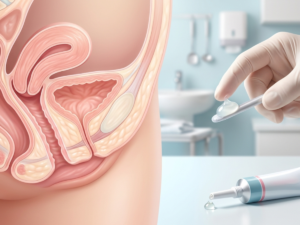

You have been feeling off for a while now. The fatigue, the brain fog, the sleep that never quite refreshes you, the weight that crept on despite doing everything “right.” You searched for answers, and somewhere along the way you came across the term “bioidentical hormone replacement therapy.” Now you want to know how to actually get started with bioidentical hormones Orlando patients are increasingly exploring for personalized hormone support.
This guide walks you through every step of the process in plain language. No jargon, no guesswork. Just a clear roadmap from your very first question to the moment you begin feeling like yourself again.
What Is Bioidentical Hormone Replacement Therapy?
Bioidentical hormones are compounds that are chemically identical to the hormones your body naturally produces, including estradiol, progesterone, and testosterone. Unlike synthetic hormones, which have altered molecular structures, bioidentical versions fit your hormone receptors the same way a key fits its lock.
The goal of BHRT is straightforward: restore your hormone levels to an optimal range so your body can function the way it is supposed to. This approach is at the core of what integrative and functional medicine physicians call hormone optimization therapy, and it is often recommended for individuals experiencing the early signs of perimenopause, along with conditions ranging from menopause symptoms and andropause to adrenal fatigue and thyroid imbalance.
The Step-By-Step Process for Getting Bioidentical Hormone Therapy
Step 1: Recognize Your Symptoms and Do Your Research
The first step is the one you are already taking by reading this. Common signs of hormonal imbalance include persistent fatigue, mood swings, low libido, weight gain, especially around the abdomen, poor sleep, hot flashes, night sweats, and difficulty concentrating, including symptoms commonly associated with post-breast cancer menopause. These symptoms are real. They are not “just aging,” and they deserve a proper clinical evaluation.
Before your first appointment, write down every symptom you have noticed, how long each has been present, and how much it affects your daily life. This information is more valuable than you might think.
Step 2: Find a Qualified Bioidentical Hormone Doctor
Not every physician is trained in bioidentical hormone therapy. You want a doctor who practices integrative medicine or functional medicine and who views hormone health as part of your overall wellness picture, not as a box to tick. Look for someone who orders comprehensive hormone panels rather than just a standard blood panel and who takes the time to interpret results in the context of how you actually feel.
If you are searching for bioidentical hormones Miami patients trust, this kind of thorough, patient-centered evaluation is the foundation of every treatment plan at the practice of Jeffrey Dach, MD. The approach here focuses on restoring optimal hormone levels rather than simply keeping you within an arbitrary “normal” reference range.

Step 3: Schedule Your Initial Consultation
Your first visit is essentially a deep-dive conversation. A good hormone specialist will review your full medical history, current medications and supplements, lifestyle habits, stress levels, sleep patterns, and diet. This is not a rushed 10-minute appointment. Expect it to be thorough because thorough is what leads to accurate treatment.
Come prepared with a list of your symptoms, any previous labs you have had done, and questions you want answered. The more openly you communicate, the better your physician can tailor a plan to your specific needs.
Step 4: Complete Comprehensive Hormone Testing
After your consultation, you will undergo comprehensive hormone lab testing as part of a personalized menopause hormone therapy plan. This typically includes serum blood tests measuring levels of estradiol, progesterone, testosterone, DHEA-S, cortisol, and thyroid hormones, including free T3 and free T4, and sometimes salivary hormone testing for a more nuanced picture of adrenal function.
Some physicians also use Dutch testing, which stands for Dried Urine Test for Comprehensive Hormones, to evaluate how your body metabolizes hormones. This level of detail matters because two people with the same estradiol level on paper can feel completely different based on how their bodies process and eliminate that hormone.
Step 5: Review Your Results and Develop a Personalized Treatment Plan
Once your labs are back, you will meet with your physician to go through the results together. A skilled hormone therapy doctor does not just hand you a prescription. They explain what each result means, how the different hormones interact, and why specific deficiencies or imbalances are likely driving your symptoms.
Your personalized BHRT protocol may include compounded bioidentical hormones in the form of creams, gels, capsules, troches, or pellets, depending on what suits your body and lifestyle. Dosages are calculated based on your lab results, your symptoms, your age, and your health goals, not on a one-size-fits-all formula.
Step 6: Begin Treatment and Monitor Your Progress
You will start your prescribed bioidentical hormone protocol and give it time to work. Most people begin noticing improvements in sleep quality and energy within the first few weeks. Significant changes in mood, body composition, and libido typically take 60 to 90 days.
Follow-up lab work is usually scheduled at the 6- to 12-week mark. This is when your physician will adjust dosages based on how your body has responded. Ongoing hormone monitoring is not optional; it is the part that keeps your therapy safe and effective over the long term.
Step 7: Maintain and Optimize Over Time
Hormone optimization is not a one-time fix. Your hormones shift as you age, under stress, through illness, and with lifestyle changes. Twice-yearly or annual check-ins with your physician, combined with routine lab work, ensure your therapy continues to serve you well as your needs evolve.
Many patients also benefit from complementary support, including nutritional therapy, adrenal support protocols, and targeted supplementation, all of which can enhance how your body responds to hormone therapy.
FAQ
Is bioidentical hormone therapy the same as conventional HRT?
No. Conventional hormone replacement therapy often uses synthetic hormones that differ structurally from what your body makes. Bioidentical hormones are molecularly identical to your natural hormones, which is why many integrative physicians consider them a more physiologically compatible option. The prescribing approach is also different: BHRT focuses on individualized dosing based on lab results and symptoms rather than a standardized dose for all patients.
Is bioidentical hormone therapy safe?
When prescribed and monitored by an experienced physician, bioidentical hormone therapy has a well-established safety profile. Regular lab monitoring is essential. Risks vary depending on your personal health history, and a thorough physician will always weigh those factors before recommending any protocol. At Jeffrey Dach, MD, safety and clinical accuracy are central to every treatment decision.
How long does it take to feel the effects of BHRT?
Many patients notice initial improvements in energy, sleep, and mood within the first two to four weeks. More significant changes in body composition, libido, and mental clarity usually emerge over 60 to 90 days. Full optimization often takes several months of careful adjustment. Patience and consistent follow-up with your physician make all the difference.
Can men benefit from bioidentical hormone therapy?
Absolutely. Male hormone optimization, particularly testosterone replacement therapy using bioidentical testosterone, is used to address symptoms of andropause such as fatigue, reduced muscle mass, low sex drive, irritability, and poor concentration. Men undergo the same comprehensive evaluation and lab testing process as women before any treatment begins.
Do I need a referral to see a bioidentical hormone specialist?
In most cases, no referral is needed to schedule a consultation with a functional medicine or integrative hormone doctor. You can reach out directly to schedule your initial appointment. If you have existing lab work or medical records, bring them along since they give your physician a useful starting point and may reduce the number of repeat tests needed.
You Do Not Have to Keep Feeling This Way.
Hormonal imbalance is not something you have to live with; the symptoms eroding your energy and mood have a solution. Bioidentical Hormone Replacement Therapy (BHRT), when done correctly, can restore your vitality and help you feel like yourself again. At the practice of Jeffrey Dach, MD, we move past the feeling of being dismissed by offering personalized therapy grounded in thorough lab testing and clinical expertise. We guide you through every step from your first lab draw to ongoing monitoring with a plan designed for your long-term well-being.
Ready to reclaim your vitality? Schedule Your Consultation Today