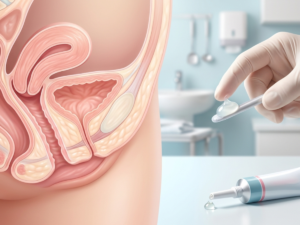

What is estrogen dominance? This is not a medical diagnosis. Estrogen dominance is a descriptive term which indicates a relatively high estrogen level compared with the progesterone level. This is commonly experienced during anovulation, during PMS (premenstrual syndrome) and during the menopausal transition phase. Since estrogen causes breast tissue stimulation, which is opposed by progesterone, women notice symptoms such as changes in menstrual periods, increased fullness of the breast and nipple sensitivity. There may also be mood and sleep disturbances. There may be fluid retention which increases body weight. These types of estrogen dominance symptoms can be frustrating, especially when routine testing may not test for hormone levels and may not explain how you are feeling.
Causes of Estrogen Dominance: Anovulation
Normally, ovulation occurs around day 11 of the menstrual cycle. The ruptured follicle then transforms into the corpus luteum, which manufactures progesterone throughout the luteal phase, i.e. the last two weeks of the menstrual cycle. If ovulation does not occur, this is called an anovulatory menstrual cycle, and hormone imbalance symptoms related to estrogen dominance may be expected because there is no progesterone production.
Causes of Estrogen Dominance: PMS
PMS is premenstrual syndrome which is commonly reported during the last two weeks of the menstrual cycle. An early pioneer in the use of natural progesterone as an effective treatment for PMS was Katharina Dalton, a British MD who coined the term “PMS” and ran a women’s PMS clinic for more than 40 years using injectable progesterone (25 mg) with considerable success for PMS symptoms. For more on this, see Progesterone for PMS Part Three.
Causes of Estrogen Dominance: Perimenopausal Transition
During the transition from normal cycling to complete menopause without menstrual cycles, anovulation is quite common. This can be associated with fluctuating estrogen levels, which may go quite high without enough progesterone to oppose the proliferative effects of estrogen. These estrogen hormone changes can contribute to symptoms associated with estrogen dominance. Again, the use of natural progesterone usually brings some relief to the patient. Women exploring bioidentical hormone replacement in Florida should consult a qualified healthcare professional to discuss their symptoms, potential benefits, and treatment risks.
What Your Body May Be Telling You
1. Changes in your menstrual cycle
Heavy bleeding, longer periods, spotting, or shorter cycles can signal a hormonal change associated with anovulation or the peri-menopausal transition, a time of intermittent anovulation and fluctuating estrogen levels. However, persistent abnormal bleeding over the long term may lead to iron deficiency anemia which interferes with daily life. If so, this is called dysfunctional uterine bleeding (DUB) which requires more complete evaluation by the gynecologist including a pelvic sonogram.
2. Breast tenderness or swelling
Breast fullness, tenderness, or cyclical discomfort can occur during the normal hormonal changes of the menstrual cycle. However, a persistent or significant change should not be dismissed as merely estrogen dominance. Again, if the patient notices a new lump in the breast, nipple discharge, architectural distortion of the breast or nipple retraction, then medical attention with breast exam and breast imaging is usually done looking for more serious issues.
3. Mood, sleep, and concentration changes
Irritability, low mood, anxiety, disrupted sleep, and difficulty concentrating are typical estrogen dominance, PMS type symptoms which can accompany the peri-menopausal transition with rapid and profound fluctuations in estrogen levels with no counter-balancing progesterone. There may be anovulation, lack of ovulation with no progesterone production. Estrogen is an excitatory neurosteroid which stimulates the brain. Progestesterone is an inhibitory neurosteroid which calms the brain.
Other Estrogen Dominance Symptoms to Watch
Some women also report bloating, fluid retention, headaches, decreased libido, or changes in body composition. These signs of estrogen imbalance may occur with anovulation, during PMS, and around the menopausal transition. Keeping a symptom diary is a good idea and can help determine the cyclic pattern of your symptoms. When symptoms appear, make a note of how long they last, changes in your cycle, any relation to medications or supplements, and any recent health changes.
How to Measure Hormone Levels
Estrogen levels do not stay the same. They naturally cycle up and down during menstrual cycle which ends with the onset of menopause when ovulation stops, and hormone levels decline. A single blood test measuring hormone levels without knowing the day of the menstrual cycle is useless. The blood testing must be done on day 19 of the menstrual cycle when both estrogen and progesterone are at their mid luteal peak. If the day 19 lab test shows high estrogen and low progesterone, then this can establish “estrogen dominance”. A complete evaluation includes detailed medical history, physical examination, and a more complete laboratory panel. If estrogen dominance is suspected, treatment with natural progesterone can provide relief.
When Should You Seek Medical Guidance?
Most of our patients with symptoms related to estrogen dominance have already been seen and evaluated by their gynecologist who may offer SSRI antidepressants or birth control pills. For those patients unhappy with this mainstream medicine approach, we will prescribe natural progesterone, natural supplements and other supportive measures. For more serious symptoms of heavy bleeding, bleeding after menopause, severe pelvic pain, etc. further evaluation with your gynecologist including a pelvic sonogram may be needed.
At the TruemedMD Clinic, our medical director, Jeffrey Dach MD, begins with a complete medical history, physical examination, and extensive laboratory panel. We then create an individualized treatment plan. We focus on hormone balance, thyroid, metabolic panel, vitamin and mineral levels and integrative care, with treatment tailored to the patient rather than a one-size-fits-all protocol.
Questions to Ask:
Can estrogen dominance cause weight gain?
Yes, high estrogen levels can cause fluid retention which causes weight gain.
What are common estrogen dominance symptoms?
Common symptoms include changes in menstrual cyle, breast fullness and tenderness, mood disturbance, bloating, headaches, and sleep difficulties (insomnia).
Can estrogen dominance affect periods?
Hormonal fluctuations can contribute to heavier, irregular, or changing periods. This must be differentiated from dysfunctional uterine bleeding which requires gynecologic evaluation and pelvic sonogram.
Is there a blood test for estrogen dominance?
A day 19 blood draw testing for estrogen and progesterone level is very useful. Some clinicians use salivary or urine hormone levels with multiple samples taken over the menstrual cycle.
Can thyroid problems mimic hormone imbalance?
Yes. Thyroid disorders can cause fatigue, mood changes, menstrual changes, and weight changes, which can overlap with estrogen and progesterone imbalance. That is why a full thyroid panel is included.
We Can Help
If you are experiencing estrogen dominance symptoms that keep returning or disrupting everyday life, consider a comprehensive evaluation with Jeffrey Dach MD, the medical director of TruemedMD. Bring your symptom history and questions and let your TruemedMD medical team create a personalized treatment plan for you. For more information, see: