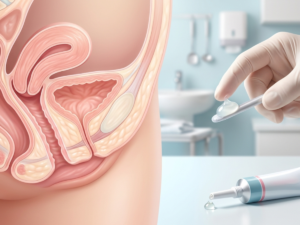

Hormones are not just about hot flashes and mood swings. They regulate nearly every system in your body, from your heart and bones to your brain and metabolism. When they fall out of balance, the ripple effects can be wide-reaching. Choosing the right type of hormone therapy can either support your long-term health or introduce new risks. That is why understanding the difference between bioidentical hormone replacement therapy (BHRT) and synthetic hormone replacement therapy (HRT) is one of the most important decisions you can make for your well-being, especially for individuals exploring bioidentical hormones replacement florida options for personalized wellness support.
What Is Synthetic Hormone Replacement Therapy?
Synthetic HRT refers to hormone medications made from compounds that are not identical in structure to the hormones your body naturally produces. The most widely discussed example is Premarin, a conjugated estrogen derived from pregnant mare urine, and medroxyprogesterone acetate, commonly sold as Provera. These were the standard treatments for decades and are still widely prescribed today.
The issue is not that they have no effect. Synthetic hormones do bind to hormone receptors and can relieve symptoms. The concern is how they bind and what downstream effects that triggers. Because their molecular structure differs from your body’s own hormones, they may activate receptor pathways differently, potentially leading to unintended consequences.
The 2002 Women’s Health Initiative (WHI) study brought this into sharp focus. The study, which used synthetic estrogen and progestin combinations, was halted early after researchers found increased risks of breast cancer, blood clots, stroke, and cardiovascular events in participants. That landmark finding shifted the conversation around hormone therapy significantly.
What Is Bioidentical Hormone Replacement Therapy?
Bioidentical hormones are molecularly identical to the hormones your body produces naturally. This includes estradiol, estriol, progesterone, testosterone, DHEA, and pregnenolone. They are typically derived from plant sources, most commonly soy and wild yam, and are then processed into a structure that matches human hormones at the molecular level.
Because the molecular structure is an exact match, these hormones are recognized by your body’s receptors the same way naturally produced hormones would be. The result is a more physiologically appropriate response, which is why many integrative and functional medicine physicians consider BHRT a more precise and patient-aligned approach to hormone balance. This growing preference has also increased interest in bhrt south florida treatments among people seeking a more natural and individualized approach to hormone care.
BHRT can be prescribed in standardized commercial formulations or compounded by a specialized pharmacy to meet a patient’s specific needs. Compounded BHRT allows for highly individualized hormone dosing based on your unique lab work, symptoms, and health history.

Key Differences: BHRT vs. Synthetic HRT at a Glance
| Feature | Bioidentical HRT (BHRT) | Synthetic HRT |
| Molecular Structure | Identical to human hormones | Chemically altered or non-human-derived |
| Source | Plant-derived (e.g., soy, wild yam) | Synthetic or animal-derived (e.g., Premarin) |
| Receptor Activity | Mirrors natural receptor binding | May activate receptors differently |
| Customization | Highly individualized via compounding | Standardized, one-size-fits-all dosing |
| Common Forms | Creams, gels, troches, pellets, capsules | Pills, patches, injections |
| Risk Profile | Generally considered lower risk | Associated with higher cardiovascular/cancer risk |
| Monitoring | Guided by comprehensive lab testing | Often symptom-based without detailed labs |
Why Molecular Structure Matters So Much
Think of a hormone receptor like a lock and the hormone like a key. A bioidentical hormone is the original key cut to fit perfectly. A synthetic hormone is a key that has been slightly modified. It might still turn the lock, but it could also jam the mechanism or open the wrong doors.
This analogy helps explain why natural progesterone and synthetic progestin (medroxyprogesterone acetate) behave so differently in the body. Natural progesterone has a calming effect on the nervous system, supports cardiovascular health, and does not appear to carry the same breast cancer risk as synthetic progestins. Medroxyprogesterone acetate, on the other hand, was the specific compound linked to increased breast cancer risk in the WHI study.
Research published in peer-reviewed journals has shown that transdermal bioidentical estradiol and oral micronized progesterone carry a significantly more favorable safety profile compared to oral synthetic estrogen and progestin combinations. This is not a fringe finding. It reflects the growing body of evidence that molecular identity is clinically relevant.
Who May Benefit from BHRT?
BHRT is not exclusively a women’s therapy. Both men and women seeking Miami hormone therapy can experience significant improvement in quality of life when hormone levels are restored to optimal ranges. The most common candidates include:
- Women in perimenopause or menopause experiencing hot flashes, night sweats, vaginal dryness, sleep disturbances, or mood changes
- Women with premature ovarian insufficiency or early menopause
- Men with low testosterone, fatigue, low libido, cognitive fog, or loss of muscle mass
- Men and women with adrenal fatigue or low DHEA levels
- Patients seeking preventive hormonal support for bone density, cardiovascular health, and cognitive function
An important note on individualization: BHRT is not a blanket solution. Optimal results depend on thorough hormone panel testing, a detailed health history, and an experienced physician who understands both conventional and integrative medicine. Cookie-cutter dosing, even with bioidentical hormones, can lead to suboptimal outcomes. This is precisely where a physician like Dr. Jeffrey Dach, who takes a comprehensive and personalized approach, makes a significant difference.

How BHRT Is Administered
One of the advantages of BHRT is the flexibility in delivery methods, which allows the treatment to be tailored not just in dose but in how it enters the body. Common methods include:
- Transdermal creams and gels applied to the skin for steady absorption
- Sublingual troches that dissolve under the tongue for direct bloodstream entry
- Subcutaneous pellets implanted under the skin for sustained release over several months
- Oral capsules, such as micronized progesterone, for specific hormonal needs
- Vaginal preparations for localized treatment of urogenital symptoms
Delivery method matters. Transdermal estradiol, for example, bypasses first-pass metabolism in the liver and does not carry the same risk of blood clot formation associated with oral synthetic estrogen. These distinctions are critical when building a safe, effective personalized hormone therapy plan.
Frequently Asked Questions
Is BHRT FDA-approved?
Some bioidentical hormones, including estradiol patches, gels, and oral micronized progesterone, are FDA-approved. Compounded BHRT, which is mixed by a pharmacy to a patient’s specific prescription, is not individually FDA-approved because it is customized. However, the individual hormone compounds used in compounding are generally recognized as safe when handled by a licensed compounding pharmacy and prescribed by a knowledgeable physician.
Is BHRT safer than synthetic HRT?
The current body of evidence suggests that bioidentical hormones, particularly transdermal estradiol and oral micronized progesterone, carry a more favorable risk profile than conventional synthetic hormones. Multiple studies have shown lower risks of blood clots, stroke, and breast cancer compared to oral synthetic combinations. That said, all hormone therapies carry some level of risk and should be managed under careful physician supervision with regular lab monitoring.
How long does it take to feel results from BHRT?
Most patients begin noticing improvements in symptoms such as sleep quality, energy, mood, and hot flashes within four to eight weeks of starting BHRT. Full hormonal equilibration can take three to six months, and dosing adjustments are often made during this period based on follow-up lab work and symptom tracking. Patience and consistent monitoring are key parts of the process.
Can men use bioidentical hormone therapy?
Absolutely. Bioidentical testosterone therapy for men is one of the most well-studied applications of BHRT. Men experiencing symptoms of low testosterone, often called andropause, can benefit significantly from carefully monitored testosterone restoration. Benefits may include improved energy levels, libido, mental clarity, muscle tone, and mood. As with women, dosing is guided by comprehensive lab testing and ongoing evaluation.
Do I need a prescription for BHRT?
Yes. Bioidentical hormones, whether commercially available or compounded, require a prescription from a licensed physician. Over-the-counter products marketed as natural hormone supplements are not the same as pharmaceutical-grade BHRT and should not be confused with it. Proper BHRT begins with a clinical evaluation, thorough hormone blood panel testing, and an individualized treatment plan developed by an experienced physician.
The Role of Comprehensive Testing in BHRT
One of the biggest shortcomings of standard medical practice around hormones is that testing is often minimal. A single estradiol or testosterone level checked on a standard panel does not give a complete picture. A thorough hormone evaluation should include estradiol, progesterone, testosterone (free and total), DHEA-S, cortisol, SHBG, thyroid hormones, and often additional metabolic markers.
This detailed baseline allows a physician to identify not just deficiencies but also imbalances between hormones and potential metabolite pathways that could influence cancer risk. Testing should be repeated regularly during treatment to ensure levels remain in the optimal therapeutic range, not simply the average laboratory reference range, which is often set for a broad population rather than for optimal health.
Conclusion
No two patients are alike, and the right hormone therapy depends on your symptoms, health history, and goals. If synthetic HRT has left you struggling with side effects, BHRT may offer a better fit. If you are exploring hormone replacement Orlando options and wondering whether hormone therapy could help you feel like yourself again, a comprehensive evaluation is the place to start. The evidence behind bioidentical hormone replacement therapy continues to grow, but the most important factor in any program is the physician guiding it.
At Jeffrey Dach MD, we take a thorough, personalized approach to hormone therapy. Schedule Your Consultation Today.