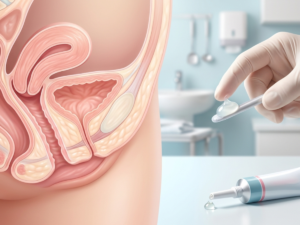

If you have been researching hormone replacement therapy, you have likely come across two very different camps. On one side, you have commercial HRT—standardized, FDA-approved medications handed out in fixed doses. On the other hand, you have compounded bioidentical hormone replacement therapy, custom-made formulations designed to match what your body actually needs.
So which one is really better for you? And is the personalization of compounded hormones worth it? These are fair questions, and they deserve a straight, honest answer.
What Are Bioidentical Hormones, Exactly?
Before comparing options, it helps to understand what “bioidentical” actually means. Bioidentical hormones are compounds that have the exact same molecular structure as the hormones your body naturally produces. Estradiol, progesterone, testosterone, DHEA — when these are made bioidentically, your body recognizes and uses them the way it would its own hormones, which is why many people explore bhrt for breast cancer survivors as part of a personalized wellness approach.
Commercial HRT products like Premarin contain horse-derived estrogens, which are biologically different from human estrogen. Others, like Provera, use synthetic progestins—lab-created compounds that mimic progesterone but are not identical to it. These structural differences matter more than most people realize.
Compounded bioidentical hormones, on the other hand, are prepared by licensed compounding pharmacies using active ingredients that are molecularly identical to your body’s own hormones. No equine sources. No synthetic substitutes. Just the real thing, tailored to your physiology.
The Core Problem with One-Size-Fits-All Hormone Therapy
Here is where many women and men run into trouble with conventional HRT. Standard commercial products come in a limited range of doses and delivery methods. If your hormone panel shows that you need 0.75 mg of estradiol but the only available tablets come in 0.5 mg or 1.0 mg, you are either under-treated or over-treated.
Hormonal imbalance is deeply individual. Two women of the same age and weight can have completely different estrogen, progesterone, and testosterone levels. Treating them with the exact same commercial product makes very little physiological sense.
Compounded bioidentical hormone therapy solves this by allowing a physician to prescribe precise doses based on your actual lab work, symptoms, and health history. The pharmacy then prepares your formulation — whether as a topical cream, gel, troche, pellet, capsule, or suppository — in the exact strength you need.
Bioidentical vs. Synthetic Hormones: Why the Difference Matters
The distinction between bioidentical progesterone and synthetic progestins is one of the most important — and most overlooked — topics in hormone therapy. Research published over the past two decades has consistently shown that synthetic progestins carry risks that natural progesterone does not.
The Women’s Health Initiative study, which caused widespread fear about HRT in the early 2000s, used a combination of conjugated equine estrogens and a synthetic progestin. Many experts now argue that the results of that study cannot be generalized to bioidentical hormone replacement therapy, because the compounds used were fundamentally different.
Natural bioidentical progesterone has been associated with a more favorable cardiovascular and breast tissue safety profile compared to its synthetic counterparts. It also tends to support better sleep and mood—which synthetic versions do not reliably deliver.
What Compounded Hormones Can Offer That Commercial HRT Cannot
- Personalized dosing based on your lab results Your hormone panel — including estradiol, estrone, estriol, progesterone, testosterone, DHEA, and cortisol — gives a detailed picture of where you actually are. Compounded therapy is built around that picture.
- Multiple hormone combinations in a single preparation Rather than taking four separate pills, a compounded formulation can combine estradiol, progesterone, and testosterone in one delivery system—simplifying your routine and improving compliance.
- Delivery methods that suit your body: Some people absorb transdermal hormone creams better than oral preparations. Others do better with sublingual lozenges or pellets. Compounding pharmacies offer the flexibility to choose.
- Inclusion of hormones not available commercially: Estriol, the weakest and most protective form of estrogen, is not available as a standalone FDA-approved product in the US. But it is commonly used in triestrogen or biestrogen compounded formulas—and many practitioners find it valuable, especially for vaginal dryness and urinary symptoms.
- Hormone therapy for men—Men dealing with low testosterone, declining DHEA, or hormonal fatigue benefits just as much from individualized protocols. Commercial testosterone products exist, but compounding allows for precise titration and combination therapy that standard prescriptions simply do not support.
Is Compounded Hormone Therapy Safe?
This is a question worth taking seriously. Compounded medications are regulated by state pharmacy boards and must follow standards set by the United States Pharmacopeia. Reputable compounding pharmacies also pursue voluntary PCAB accreditation, which signals a higher level of quality assurance.
The safety of compounded hormones depends significantly on the quality of the compounding pharmacy and the expertise of the prescribing physician. Working with a knowledgeable practitioner who orders comprehensive hormone testing, interprets results carefully, and monitors your response over time is essential. When done correctly, bioidentical hormone optimization is not a guessing game — it is a data-driven, patient-centered approach to restoring hormonal health.

Who Is a Good Candidate for Compounded Bioidentical Hormone Therapy?
If you are a woman experiencing perimenopause or menopause symptoms — hot flashes, night sweats, brain fog, low libido, weight gain, or mood changes — and commercial HRT has not addressed your symptoms adequately, compounded therapy is worth exploring. This personalized approach may also benefit women seeking survivor hormone care after cancer treatment, where symptom relief and long-term wellness must be carefully balanced. If you are a man feeling chronically fatigued, losing muscle, struggling with concentration, or experiencing sexual dysfunction, and your labs confirm hormonal decline, individualized bioidentical therapy can make a significant difference.
The key is working with a physician who understands functional medicine and hormone optimization — someone who looks at the whole picture, not just one number on a lab report.
FAQ
Are compounded bioidentical hormones FDA-approved?
Compounded bioidentical hormones are not FDA-approved as finished drug products, but the individual hormonal ingredients used — such as estradiol, progesterone, and testosterone — are FDA-approved. The compounding process itself is regulated by state pharmacy boards and federal oversight guidelines.
How do I know what I need?
Dosing is determined through a combination of comprehensive hormone blood testing, a detailed review of your symptoms, your health history, and follow-up lab monitoring. It is not guesswork — it is individualized medicine guided by real data.
Can men benefit from compounded bioidentical hormones?
Absolutely. Men experience a gradual decline in testosterone, DHEA, and other hormones starting in their 30s and 40s—a process sometimes called “andropause.” Compounded hormone therapy can address low testosterone, improve energy, support muscle mass, and restore mental clarity in men, often far more precisely than standard commercial testosterone products allow.
Is compounded HRT more expensive than commercial HRT?
Cost varies depending on the formulation and the pharmacy. Some compounded preparations may cost more out of pocket since insurance coverage is inconsistent. However, many patients find the benefits of personalized hormone therapy—better symptom control, fewer side effects, and improved quality of life—well worth the investment.
How long does it take to feel results?
Most patients begin to notice improvements in energy, sleep, mood, and libido within four to eight weeks of starting a properly dosed bioidentical hormone protocol. Adjustments may be made at follow-up visits based on updated lab results and symptom response.
Conclusion
Your hormones are not generic. Your symptoms are not generic. Your treatment should not be either. Compounded bioidentical hormone therapy offers a level of personalization that no commercial product can match. When guided by thorough lab testing, careful clinical assessment, and ongoing monitoring, it is one of the most effective tools available for restoring hormonal balance and improving quality of life—for both women and men. At the practice of Jeffrey Dach, MD, we take a comprehensive, evidence-informed approach to hormone optimization. We believe that feeling well is not a luxury — it is something you deserve. If you are tired of symptoms that no one has been able to fully address, we invite you to take the next step.
Schedule a consultation with Dr. Jeffrey Dach today and find out how a personalized bioidentical hormone protocol, built around your body’s specific needs, can help you feel like yourself again.