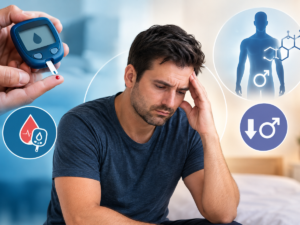

You wake up exhausted even after eight hours of sleep. You snap at people you love for no real reason. You have put on weight despite not changing anything in your diet or exercise routine. And that drive and energy you used to have? It feels like it belongs to someone else now.
If any of that sounds familiar, you are not imagining it. And you are not alone. Millions of adults experience these exact symptoms every single day, and in many cases, the underlying cause is a hormonal imbalance.
The good news is that bioidentical hormone replacement therapy (BHRT) has helped countless people reclaim their energy, mental clarity, and quality of life. For many individuals exploring bioidentical hormone therapy south florida, the key is understanding whether their symptoms are connected to hormonal imbalance. But how do you know if it is right for you? The first step is recognizing the signs.
Understanding Hormonal Decline: Why It Happens
Hormones are your body’s chemical messengers. They regulate everything from your mood and metabolism to your sleep, libido, and bone density. As you age, estrogen, progesterone, testosterone, cortisol, and thyroid hormones all naturally shift. For women, this process accelerates dramatically during perimenopause and menopause, including for some seeking guidance on bioidentical hormones for breast cancer survivors. For men, it unfolds more gradually through a process often called andropause or low testosterone.
The problem is that modern medicine has often treated these changes as something you simply have to live with. That thinking is outdated. When hormonal decline begins to affect your daily function, your relationships, and your long-term health, it deserves serious attention.
Key Signs That You May Need Hormone Replacement Therapy
There is no single symptom that definitively signals a need for HRT. Instead, it is usually a cluster of persistent, overlapping symptoms that point toward a hormonal root cause. Here are the most common ones to watch for.
- Chronic Fatigue That Sleep Cannot Fix: This is one of the most frustrating symptoms people describe. You sleep a full night and still wake up feeling drained. You hit a wall in the afternoon that coffee barely dents. Adrenal fatigue, low cortisol, low thyroid function, and declining testosterone are all known to cause this kind of deep, unrelenting exhaustion. If resting is not restoring you, your hormones deserve a closer look.
- Mood Swings, Anxiety, and Depression: Estrogen and progesterone play a direct role in regulating serotonin and other neurotransmitters that influence your emotional state. When these hormones drop, many women and men experience increased irritability, anxiety, brain fog, and even depression. If you feel emotionally unsteady without a clear reason, and antidepressants have not fully helped, hormonal imbalance could be the missing piece.
- Sleep Disruption and Insomnia: Waking up at 2 or 3 AM, struggling to fall asleep, or never reaching deep, restorative sleep are hallmarks of low progesterone and fluctuating estrogen. Progesterone has a naturally calming, sleep-promoting effect on the brain. When it drops, so does sleep quality. Night sweats and hot flashes compound this problem for women going through menopause.
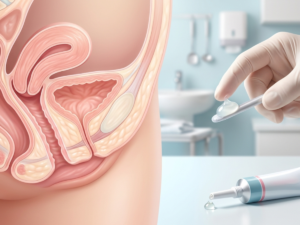
- Low Libido and Sexual Dysfunction: A declining interest in sex is not simply a byproduct of stress or a busy life. For both men and women, testosterone is the primary driver of sexual desire. Low testosterone in men is linked to erectile dysfunction, reduced stamina, and loss of libido. In women, declining estrogen can cause vaginal dryness and discomfort during sex, which further reduces desire. These are real, treatable symptoms, not something to dismiss or be embarrassed about.
- Unexplained Weight Gain and Difficulty Losing Weight: If you are eating the same way you always have but gaining weight, particularly around the abdomen, insulin resistance, low thyroid function, and declining estrogen or testosterone may be working against you. Hormones govern how your body stores fat and responds to diet and exercise. Without the right hormonal balance, even a disciplined lifestyle may yield few results.
- Brain Fog and Memory Problems: Forgetting names, losing your train of thought mid-sentence, and struggling to concentrate. These are not just signs of aging or stress. Estrogen plays a protective role in brain function, and when it declines, cognitive clarity often goes with it. Many patients describe a mental cloudiness that lifts significantly once hormonal levels are restored through bioidentical hormone therapy.
- Hot Flashes and Night Sweats: These are among the most recognizable signs of estrogen deficiency in women and a common reason many seek menopause symptom relief. Hot flashes are sudden waves of heat, often accompanied by sweating and a racing heart. Night sweats disrupt sleep and leave you exhausted. While not everyone experiences these the same way, their presence is a strong indicator that menopausal hormone therapy could bring significant relief.
- Bone Loss and Joint Pain: Estrogen and testosterone both play a critical role in maintaining bone mineral density. As these hormones decline, the risk of osteoporosis and fractures rises significantly. Many people also notice increased joint aches and stiffness that they had not experienced before. HRT has been shown to slow bone loss and may reduce joint inflammation when initiated early.
- Hair Thinning and Skin Changes: Your hair and skin are sensitive indicators of your internal hormonal environment. Low thyroid hormone, low estrogen, and low testosterone can all contribute to hair thinning or loss, dry or thinning skin, and even brittle nails. If these changes are new and progressive, they warrant a thorough hormonal panel and thyroid evaluation.

Who Is a Good Candidate for HRT?
Orlando hormone therapy is not a one-size-fits-all solution, and it is not only for women going through menopause. Men experiencing low testosterone symptoms, younger adults with early hormonal decline, and people with thyroid disorders may all benefit from a personalized hormonal assessment.
The right approach begins with comprehensive lab testing that goes beyond a standard blood panel. For patients seeking hormone replacement Miami providers offer, the focus at the practice of Dr. Jeffrey Dach is on evaluating free and total hormone levels, thyroid markers, cortisol, DHEA, and other biomarkers to build a complete picture of hormonal health. Treatment is then tailored precisely to you, not to a generic protocol.
Bioidentical hormones, which are chemically identical to those produced naturally by the body, are preferred because they tend to be better tolerated and carry a more favorable safety profile compared to synthetic alternatives. The goal is always to restore physiologic balance, using the lowest effective dose, monitored carefully over time.
What to Expect From the Process
Starting hormone replacement therapy is not about drastic overnight changes. It is a careful, iterative process. Most patients begin to notice improvements in sleep and energy within the first few weeks. Mood stabilization, libido, and cognitive clarity often follow. Optimal results typically take three to six months as your levels are fine-tuned based on follow-up testing and how you feel.
You will not be handed a prescription and sent on your way. Ongoing monitoring and open communication are central to good hormonal care. Integrative hormone therapy also takes into account nutrition, stress, sleep hygiene, and lifestyle, because hormones do not exist in isolation from the rest of your health.
Frequently Asked Questions
At what age should I consider hormone replacement therapy?
There is no single right age. Women often begin exploring HRT during perimenopause, which can start in the early 40s, but some start earlier. Men experiencing low testosterone symptoms may benefit from evaluation as early as their 30s or 40s. The decision is based on symptoms and lab results, not age alone.
Is bioidentical hormone therapy safer than conventional HRT?
Bioidentical hormones are structurally identical to the hormones your body naturally produces, which generally means better tolerability and a more natural response. When properly dosed and monitored, they are considered a safe and effective option for most patients. As with any medical therapy, individual assessment is essential.
Can men benefit from hormone replacement therapy?
Absolutely. Testosterone replacement therapy (TRT) for men with confirmed low testosterone can significantly improve energy, libido, muscle mass, mood, and mental clarity. Many men also benefit from addressing thyroid imbalances and adrenal health as part of a comprehensive hormonal program.
How long do I need to be on hormone therapy?
The duration varies depending on your goals and health picture. Some patients use HRT for a defined period to manage menopause symptoms, while others find long-term use beneficial for bone health, cardiovascular protection, and quality of life. This is a conversation you should have with your physician based on regular re-evaluation.
What tests do I need before starting HRT?
A thorough evaluation typically includes comprehensive hormone panels covering estrogen, progesterone, testosterone, DHEA-S, cortisol, and complete thyroid function. Additional markers such as metabolic panels, lipid profiles, and bone density may also be assessed to ensure a safe and targeted approach to treatment.
Conclusion
Hormonal decline is a natural part of aging, but the symptoms it brings do not have to be your new normal. Persistent fatigue, mood instability, poor sleep, low libido, weight gain, and brain fog are not character flaws or things to push through. They are signals worth taking seriously. With the right testing and a personalized plan rooted in integrative and functional medicine, it is entirely possible to feel like yourself again, and in many cases, better than you have in years. The key is working with a physician who listens, tests thoroughly, and treats you as an individual.