
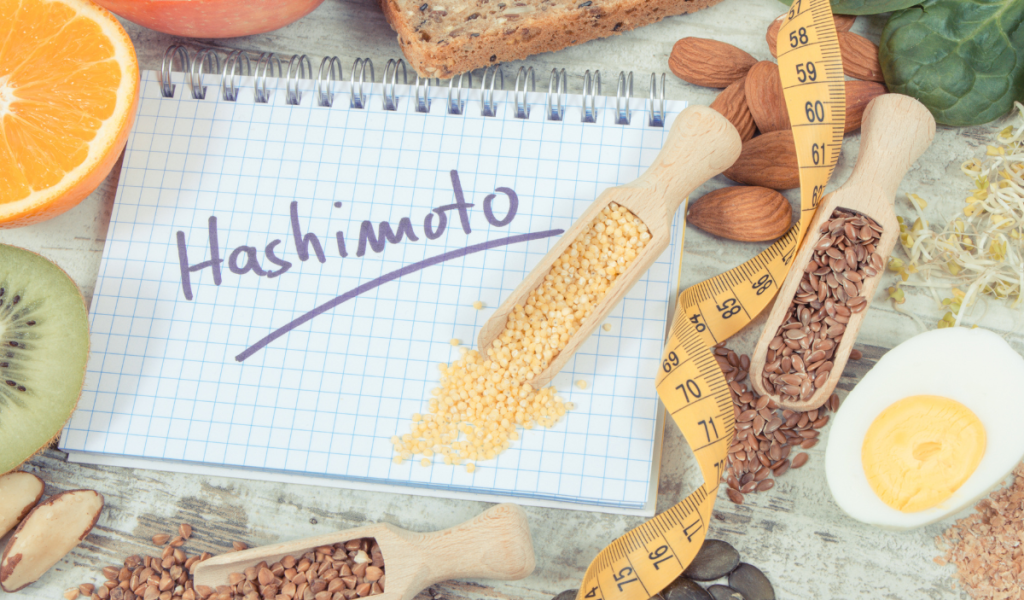
If you live with Hashimoto’s thyroiditis, you already know how exhausting the fatigue, brain fog, and weight fluctuations can feel. We may not realize diet plays a central role in managing autoimmune thyroid disease. We often tell our patients that removing gluten is one of the most powerful steps toward calming Autoimmune thyroid disease, reducing inflammation in the thyroid gland, and helping the body naturally. This article explains why a gluten-free diet is important for the Hashimoto’s patient.
Understanding Hashimoto’s Thyroiditis and Autoimmune Thyroid Disease
Hashimoto’s thyroiditis happens when the immune system mistakenly attacks the thyroid gland. Over time, this attack reduces thyroid hormone production, leading to symptoms such as fatigue, hair thinning, and unexplained weight gain. The diagnosis is made with high anti-TPO and Anti-Thyroglobulin antibody levels causing inflammation. Dietary modification and proper thyroid management becomes important.
Research also suggests that certain nutrients play a supportive role in thyroid health. Selenium’s importance in Hashimoto’s Thyroiditis has been extensively studied. Adequate selenium intake helps calm down auto-immune thyroiditis by reducing oxidative stress. Of course, selenium supplementation is part of a comprehensive treatment plan provided by our team at the Truemed Clinic in Davie, Florida.
We view Hashimoto’s as more than a thyroid problem. It is a whole-body autoimmune condition that reflects deeper issues with gut health, nutrient absorption, and immune regulation. You can read more about this topic here: Addressing the Auto Immune Component of Thyroid Disease .
Many patients spend years chasing individual symptoms, treating fatigue with caffeine, and weight gain with restrictive dieting. We find that lasting relief comes from addressing the root cause, which is why we always start with evaluation of the immune system and the gut.
Why Gluten Triggers Hashimoto’s Flare-Ups
Gluten is a protein found in wheat, barley, and rye. For people with Hashimoto’s, gluten can trigger an immune response that worsens thyroid inflammation, even without a formal celiac disease diagnosis.
This happens because of molecular mimicry. The gluten proteins have similar amino acid sequences and resemble thyroid tissue at a molecular level. When the immune system attacks gluten, it can accidentally attack the thyroid, too. We explain this process in detail in our article Wheat Gluten Part One, which breaks down the science behind this reaction.
Molecular Mimicry Explained
This immune confusion is called molecular mimicry. It is one of the main reasons doctors now recommend gluten elimination trials for Hashimoto’s patients, even those without celiac disease.
The Gluten-Thyroid Connection: Leaky Gut and Sensitivity
Many Hashimoto’s patients also struggle with gluten sensitivity, a condition distinct from celiac disease but still capable of driving inflammation and gut permeability. This permeability, called leaky gut, allows undigested food particles and toxins into the bloodstream, further fueling the autoimmune attack.
Our detailed breakdown, Wheat Gluten Sensitivity Part Two, explains how this sensitivity develops and why it matters specifically for thyroid patients.
Building a Gluten-Free Diet Plan for Hashimoto’s
A well-structured gluten-free diet is not just about removing bread. It requires a thoughtful approach to nutrient density, gut healing, and the reduction of inflammatory triggers.
Foods to Avoid
Wheat, barley, rye, and most processed foods containing hidden gluten should be eliminated. This includes many sauces, soups, and packaged snacks that use gluten as a thickener or filler.
Foods to Embrace
We recommend focusing on whole, unprocessed foods such as leafy greens, wild-caught fish, pasture-raised eggs, and naturally gluten-free grains like quinoa and rice. These foods support thyroid hormone production and reduce systemic inflammation over time.
Nutrient-dense choices like bone broth, fermented vegetables, and healthy fats from avocado or olive oil also help repair the gut lining. We encourage patients to think of every meal as an opportunity to either calm or trigger the immune system.
Reading Labels Carefully
Gluten hides in unexpected places, including soy sauce, salad dressings, and even some supplements. Learning to read labels carefully is essential for anyone serious about healing their thyroid through diet.
Gluten, Autoimmunity, and Hormonal Health
The connection between gut health and hormones runs deeper than most people realize. Chronic inflammation from gluten exposure can disrupt the hypothalamic-pituitary-adrenal axis, which in turn affects thyroid and sex hormone production.
Patients who remove gluten and heal their gut often notice improvements in energy, mood, and libido. Many men specifically ask us how to increase testosterone naturally, and we consistently point them back to gut health and thyroid function as the foundation. When inflammation decreases, the body can regulate hormone production more efficiently, making it easier to increase testosterone naturally without relying on synthetic interventions.
We also see this pattern in women managing Hashimoto’s, where reducing gluten intake helps restore a more balanced hormonal rhythm. Whether the goal is addressing the auto-immune component of Hashimoto’s, increasing testosterone naturally, or simply feel more like yourself again, gut healing through diet remains a foundational step.
Our article, Wheat gluten Part Three, covers how this inflammation extends beyond the thyroid and affects the nervous system as well.
Leaky Gut, Autoimmune Disease, and Long-Term Thyroid Support
Healing leaky gut is often the missing piece in long-term Hashimoto’s management. Without addressing gut permeability, gluten avoidance alone may not fully resolve symptoms.
We recommend a combined approach that includes gluten elimination, targeted nutrient support, and gut-healing protocols. Our in-depth resource,Wheat Gluten Leaky Gut and Autoimmune Disease, Part Four, walks through this process step by step and explains why consistency matters more than perfection. Small, sustainable changes made over months tend to outperform drastic short-term efforts.
FAQs
Does going gluten-free really help Hashimoto’s symptoms?
Many patients notice reduced fatigue, less brain fog, and lower inflammation markers within a few months of removing gluten.
How long before I notice results from a gluten-free diet?
Most patients report noticeable changes within three to six months, though thyroid antibody levels may take longer to improve.
Can gluten sensitivity exist without celiac disease?
Yes, non-celiac gluten sensitivity is common and can still trigger significant inflammation and autoimmune flare-ups in Hashimoto’s patients.
Is a gluten-free diet enough to manage Hashimoto’s alone?
Diet is essential but works best alongside gut healing, stress management, and personalized hormone support for lasting results.
Can diet changes affect hormone levels beyond the thyroid?
Yes, reducing inflammation through diet often supports broader hormonal balance, including adrenal and reproductive hormone function.
Take the Next Step Toward Healing
Living with Hashimoto’s does not mean living with constant fatigue and frustration. The right diet, combined with expert guidance, can genuinely change how you feel day to day.
We have spent years helping patients understand the connection between gluten, gut health, and thyroid function. If you are ready to build a personalized plan that addresses your root cause instead of just your symptoms, we invite you to reach out and schedule a consultation with TruemedMD and our team in Davie, Florida. Let us help you take control of your thyroid health and start feeling like yourself again, one meal and one step at a time.