
Hormones play a critical role in regulating many of the body’s essential functions, including metabolism, mood, energy levels, and reproductive health. As people age, hormone levels naturally decline, which can lead to symptoms such as fatigue, weight gain, brain fog, mood changes, and decreased vitality. Bioidentical Hormone Replacement Therapy (BHRT) is an increasingly popular treatment approach designed to restore hormonal balance and improve overall well-being.
Bioidentical hormones are compounds that are chemically identical to the hormones naturally produced by the human body. Unlike some conventional hormone therapies that use synthetic hormones, BHRT uses plant-derived hormones that closely match the body’s own molecular structure. Because of this similarity, bioidentical hormones may be better recognized and utilized by the body.
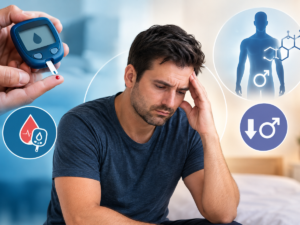
Many individuals begin exploring BHRT when they experience symptoms associated with hormonal decline. In women, this often occurs during perimenopause and menopause when estrogen and progesterone levels decrease. Men may experience similar symptoms as testosterone levels decline with age, a condition commonly referred to as low testosterone or andropause.
Common symptoms of hormone imbalance include:
- Persistent fatigue
- Mood swings or irritability
- Difficulty concentrating
- Decreased libido
- Weight gain or metabolic changes
- Sleep disturbances
A personalized evaluation is essential before beginning any hormone therapy. Physicians typically assess symptoms, medical history, and laboratory testing to determine whether hormone imbalances are present. Once a diagnosis is made, a treatment plan can be developed that is tailored to the individual patient’s needs.
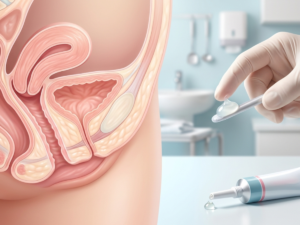
BHRT may be delivered through several forms, including creams, capsules, injections, or pellets. The method of delivery depends on the patient’s health profile and treatment goals. One of the primary benefits of BHRT is its personalized nature—doses can be adjusted based on symptoms and lab results to achieve optimal hormonal balance.
In addition to hormone therapy, physicians often recommend lifestyle adjustments to support long-term health. Nutrition, exercise, sleep quality, and stress management all play a role in maintaining balanced hormone levels. A comprehensive approach that combines medical treatment with healthy lifestyle practices can significantly improve patient outcomes.
Patients considering BHRT should always consult with a qualified physician experienced in hormone therapy. Proper diagnosis, monitoring, and follow-up testing are essential to ensure treatment remains safe and effective.
For many individuals struggling with hormone imbalance, BHRT offers a science-based approach that can restore energy, improve mood, and enhance overall quality of life. When implemented under medical supervision, it can become an important part of a long-term wellness strategy.