Starting testosterone therapy is a big decision, and most patients want to know one thing right away. How will I actually feel once this starts working? Recognizing the signs that testosterone therapy is working helps patients stay confident and informed throughout their treatment journey.
Why Patients Struggle to Notice Progress
Hormone changes happen gradually, which makes early improvements easy to overlook or dismiss as coincidence.
Many patients expect a dramatic overnight change. When that doesn’t happen, they assume the treatment isn’t working, even when subtle improvements are already underway.
This is why we walk patients through what to expect week by week, so they know exactly which changes to track and when. For a broader look at what treatment involves, see Male Testosterone Replacement, Benefits and Risks.
The Problem: Unclear Expectations Lead to Frustration
Without proper guidance, patients often focus on the wrong markers or expect results too quickly.
Energy levels, mood, and libido typically respond before physical changes like muscle gain become visible. Patients who don’t know this timeline often feel discouraged early on.
Frustration builds when improvement is happening internally but hasn’t yet translated into visible results. This gap in understanding is where most confusion around signs that testosterone therapy is working begins, especially when considering the connection between testosterone and erectile dysfunction.
The Solution: Knowing What to Track and When
We guide every patient through a clear timeline of expected changes, broken down by weeks and months.
Tracking specific markers, both how you feel and what your bloodwork shows, gives a much clearer picture than relying on guesswork alone.
Regular follow-up appointments allow us to confirm whether the signs testosterone therapy is working match what your lab results are showing internally. For those using testosterone therapy for muscle mass, monitoring progress can also help determine whether treatment is supporting the desired physical changes.
Early Signs You May Notice First
Improved energy levels. Many patients report feeling less fatigued within the first two to three weeks of starting treatment.
Better mood stability. Reduced irritability and improved overall mood are often among the earliest noticeable changes.
Increased libido. A return of sexual interest and function is a common early indicator that hormone levels are responding well.
Sharper mental focus. Patients frequently mention clearer thinking and reduced brain fog within the first month.
Signs That Appear a Bit Later
Increased muscle strength. Strength gains during workouts often become noticeable around the six- to eight-week mark.
Reduced body fat. Changes in body composition, particularly around the midsection, typically take several months to become visible. This kind of metabolic improvement is also why Testosterone Found Beneficial For Diabetes is worth understanding as part of the bigger picture.
Improved sleep quality. Many patients notice deeper, more restful sleep as hormone levels stabilize.
Better exercise recovery. Reduced soreness and faster recovery between workouts often signal improved testosterone optimization.
What Your Bloodwork Should Show
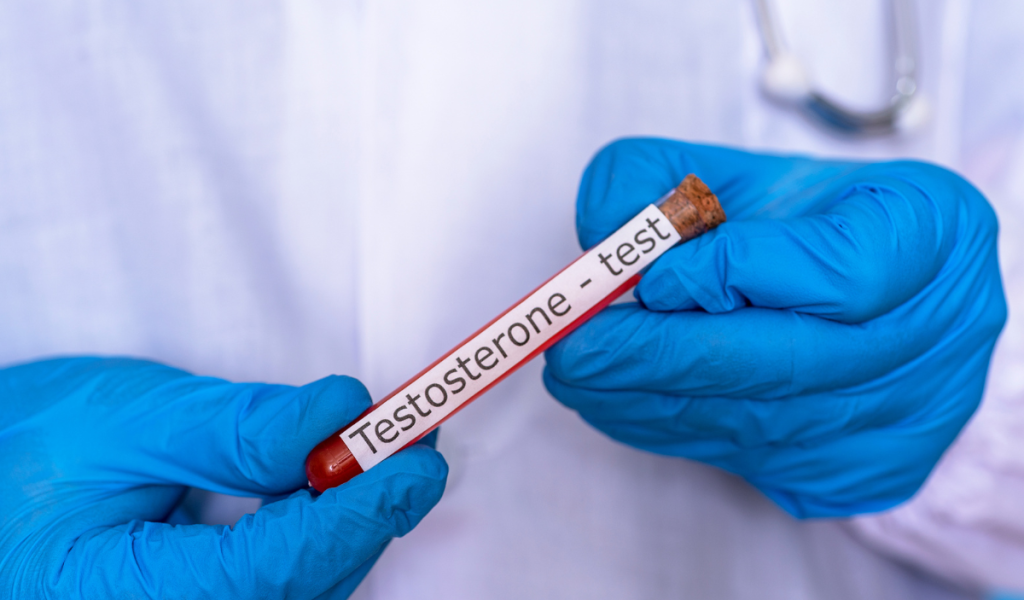
Beyond how you feel, lab results provide objective confirmation that treatment is working as intended.
We look for testosterone levels within an optimal range, along with stable hematocrit and healthy estrogen conversion. These markers matter just as much as physical symptoms.
Consistent monitoring of hormone levels allows us to catch imbalances early and adjust dosing before symptoms return or worsen.
Signs That Something May Need Adjustment
Not every change during therapy is positive, and recognizing warning signs matters just as much as tracking benefits.
Symptoms like excessive acne, unusual mood swings, or persistent fatigue despite treatment may indicate the dosage needs adjustment.
Elevated hematocrit or abnormal estrogen levels on bloodwork can also signal the need for a treatment plan review.
How Long Until Full Results Appear
Most patients notice meaningful improvement within three to six months of consistent treatment and proper monitoring.
Full body composition changes and long-term benefits often continue developing for up to a year, depending on individual response and lifestyle factors. Beyond symptom relief, research also suggests Testosterone Therapy Prolongs Life and Improves Survival, while separate findings show Low Testosterone Associated with Increased Mortality. There’s also evidence that Testosterone Prevents Heart Attacks in Older Men, reinforcing why consistent monitoring matters long-term.
Frequently Asked Questions
How soon will I notice testosterone therapy working?
Many patients report improved energy and mood within two to three weeks of starting treatment.
What lab results confirm therapy is effective?
Testosterone levels within the optimal range, stable hematocrit, and balanced estrogen levels confirm effective treatment response.
Can mood improvements happen before physical changes?
Yes, mood and energy typically improve weeks before visible muscle gain or fat loss becomes noticeable.
Is it normal to feel no changes initially?
Some patients respond more slowly than others, making regular monitoring essential to confirm treatment progress.
How often should bloodwork be checked during therapy?
Most patients need follow-up labs every three months to confirm hormone levels remain within a healthy range.
Are You Noticing These Signs Yet?
If you started therapy recently, ask yourself a simple question. Do you feel more energized, focused, or motivated than you did a few months ago?
If the answer is unclear, or if you’re not sure whether your results are on track, that uncertainty is exactly what a proper evaluation solves.
We’ll review your bloodwork, compare it against your symptoms, and tell you honestly whether your treatment plan is working or needs adjustment. Book your follow-up consultation with us today and get clarity on where your hormone health truly stands.