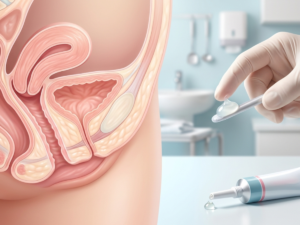

Erectile dysfunction is often treated as an isolated problem, but for many men, it’s connected to something deeper. Low testosterone treatment frequently addresses the root cause rather than just masking the symptom. Understanding the connection between testosterone and cardiovascular health can also help identify underlying factors that may affect sexual function and overall well-being.
Understanding the Connection
Testosterone plays a direct role in sexual desire, arousal, and the physical mechanics of achieving an erection.
When testosterone levels drop, blood flow regulation and nerve signaling involved in erectile function can weaken. This is why many men with erectile difficulties also test low on hormone panels.
Not every case of erectile dysfunction stems from hormones, but overlooking testosterone as a potential factor often delays proper treatment.
Why This Problem Often Goes Untreated
Many men feel embarrassed discussing erectile dysfunction, let alone connecting it to hormone levels. This hesitation delays diagnosis for years in some cases. With proper evaluation and treatment, testosterone levels improving may help support better energy, sexual health, and quality of life when low testosterone is identified as a contributing factor.
Others assume erectile issues are simply a normal part of aging, without realizing an underlying hormonal cause could be addressed directly.
This is exactly why exploring low testosterone treatment as a potential solution matters, especially when standard erectile dysfunction medications don’t provide lasting results.
How Low Testosterone Affects Sexual Function
Testosterone influences several factors tied directly to erectile performance.
Reduced testosterone can lower libido, making arousal more difficult to achieve even when physical stimulation is present. It can also affect nitric oxide production, a key component in achieving and maintaining an erection.
Beyond the physical mechanics, low testosterone often contributes to fatigue and low mood, both of which further reduce sexual interest and confidence. Left unaddressed, chronically low levels have also been associated with increased mortality risk, which is another reason to take symptoms seriously rather than dismiss them as a normal part of aging.
The Solution: Proper Testing Before Treatment
Jumping straight to erectile dysfunction medication without checking hormone levels often means missing the actual root cause.
We recommend complete hormone testing, including total and free testosterone, before starting any treatment plan. This ensures the approach actually addresses what’s driving the symptoms.
A tailored low testosterone treatment plan often improves both energy and sexual function simultaneously, rather than treating erectile dysfunction as a standalone issue.
Screening for Cardiovascular Disease
Erectile dysfunction is a marker for underlying cardiovascular disease. That is why we do a calcium score test routinely for all patients being evaluated for erectile dysfunction. The calcium score is a quick CAT scan without IV contract taking pictures of the aorta and coronary arteries looking for calcification with indicates presence and severity of coronary artery disease. We also routinely measure Homocysteine and Lipoprotein (a) on our routine laboratory panel. Both are cardiac risk factors.
Treatment Options for Low Testosterone
Several approaches exist depending on the severity of hormone deficiency and individual patient goals.
Testosterone replacement therapy. This can be delivered through injections, gels, or pellets, restoring testosterone to a healthy physiological range. To understand what this involves, see our overview of male testosterone replacement benefits and risks.
Lifestyle modifications. Weight management, improved sleep, and reduced alcohol intake can naturally support healthier testosterone production in some patients.
Addressing underlying conditions. Sleep apnea, diabetes, and obesity all contribute to low testosterone, and treating these conditions often improves hormone levels alongside symptoms. Research has even shown testosterone to be beneficial for diabetes, making this connection especially worth discussing with your provider.
Nutrient support. Deficiencies in vitamin D and zinc have been linked to lower testosterone levels, and correcting these deficiencies can support overall hormone balance.
Benefits of Treating Low Testosterone
Patients who pursue proper treatment often notice improvements extending beyond sexual function alone.
Improved libido and performance. Restoring healthy testosterone levels frequently leads to noticeable improvement in sexual desire and erectile function.
Increased energy levels. Many patients report reduced fatigue and improved motivation within the first few weeks of treatment.
Better mood stability. Low testosterone is linked to irritability and low mood, both of which often improve with proper treatment.
Enhanced muscle mass and strength. Testosterone plays a direct role in maintaining lean muscle, which can decline significantly when levels are low.
Beyond these day-to-day improvements, some research suggests testosterone therapy may prolong life and improve survival in men with clinically low levels, underscoring why proper treatment matters beyond symptom relief alone.
Understanding the Risks
Every treatment carries considerations, and we believe in complete honesty with our patients before starting any plan.
Testosterone therapy can increase red blood cell counts, requiring regular monitoring to prevent complications. Patients with untreated sleep apnea or certain heart conditions need careful evaluation beforehand. Interestingly, some studies indicate testosterone may help prevent heart attacks in older men when levels are properly managed, though individual cardiac risk factors always need a thorough evaluation first.
Fertility considerations also matter, since testosterone therapy can reduce sperm production in some men. This is an important conversation for patients still planning to have children.
Who Should Consider Testing
Men experiencing persistent erectile difficulties alongside fatigue, reduced muscle mass, or low libido may benefit from hormone evaluation.
Age alone doesn’t determine candidacy. Men in their thirties can experience low testosterone just as men in their sixties can maintain healthy levels, depending on individual health factors.
A proper evaluation includes bloodwork, symptom history, and a discussion of lifestyle factors that could be contributing to both hormone levels and erectile function.
Combining Treatments for Better Results
For some men, erectile dysfunction medication alongside low testosterone treatment provides the most complete improvement.
Addressing hormone levels supports overall sexual health, while medication can provide additional support during the transition period as testosterone levels stabilize.
This combined approach often works better than relying on medication alone, especially when low testosterone is a contributing factor.
What to Expect During Treatment
Once treatment begins, most patients notice improvements in energy and mood within the first few weeks. Sexual function improvements often take slightly longer, typically within two to three months.
Regular follow-up bloodwork ensures testosterone levels remain within a healthy range while monitoring for any potential side effects.
Every treatment plan should be adjusted based on individual response, not a fixed timeline applied to every patient.
Frequently Asked Questions
Can low testosterone cause erectile dysfunction?
Yes, low testosterone can reduce libido and affect blood flow mechanisms involved directly in erectile function.
How long does treatment take to improve erectile function?
Many patients notice improvement within two to three months of consistent, properly monitored treatment.
Is testosterone therapy safe long term?
With proper monitoring and regular bloodwork, most patients tolerate treatment safely over extended periods.
Do I need testosterone therapy or just erectile dysfunction medication?
This depends on bloodwork results, since addressing low testosterone often provides more complete, lasting improvement.
Can lifestyle changes alone fix low testosterone?
Mild cases sometimes improve with weight loss and better sleep, though moderate-to-severe deficiency often requires medical treatment.
Take Control of Your Hormone Health Today
Erectile dysfunction doesn’t have to be something you live with or manage temporarily. If low testosterone is part of the problem, addressing it directly can boost both your confidence and your overall quality of life.
We’ll run the right bloodwork, explain your results clearly, and build a low testosterone treatment plan designed specifically around your body and goals. Schedule your consultation with us today and take the first real step toward lasting improvement.